Top 10 Types of Mechanic Tool Boxes for Global Buyers?
Choosing the right Mechanic Tool Box is not simply a matter of size or appearance. Global buyers must compare storage capacity, drawer strength, mobility, security, and working conditions. A compact box may suit a mobile technician, while a rolling cabinet can support a busy workshop with heavier equipment.
This guide examines ten common types, including portable cases, rolling tool chests, modular systems, truck tool boxes, and stainless-steel cabinets. Each option serves a different purchasing goal. We will consider materials, load ratings, drawer mechanisms, wheel performance, corrosion resistance, and maintenance needs. These details matter when tools cross borders or face humid garages, dusty construction sites, and uneven floors.
Real-world selection is rarely perfect. A larger cabinet offers more storage but may increase shipping costs and handling difficulty. A lightweight case travels easily, yet its hinges and latches may wear sooner. Buyers should verify product dimensions, packaging protection, replacement-part availability, and supplier documentation before placing orders. Product claims also deserve careful checking. Marketing language can hide practical limits. Good decisions come from comparing specifications with actual workshop demands, not from choosing the most impressive-looking unit. Even experienced purchasers can overlook small issues, such as drawer clearance or wheel locks. That is why this overview focuses on usable evidence, trade-offs, and reliable purchasing questions for international buyers.
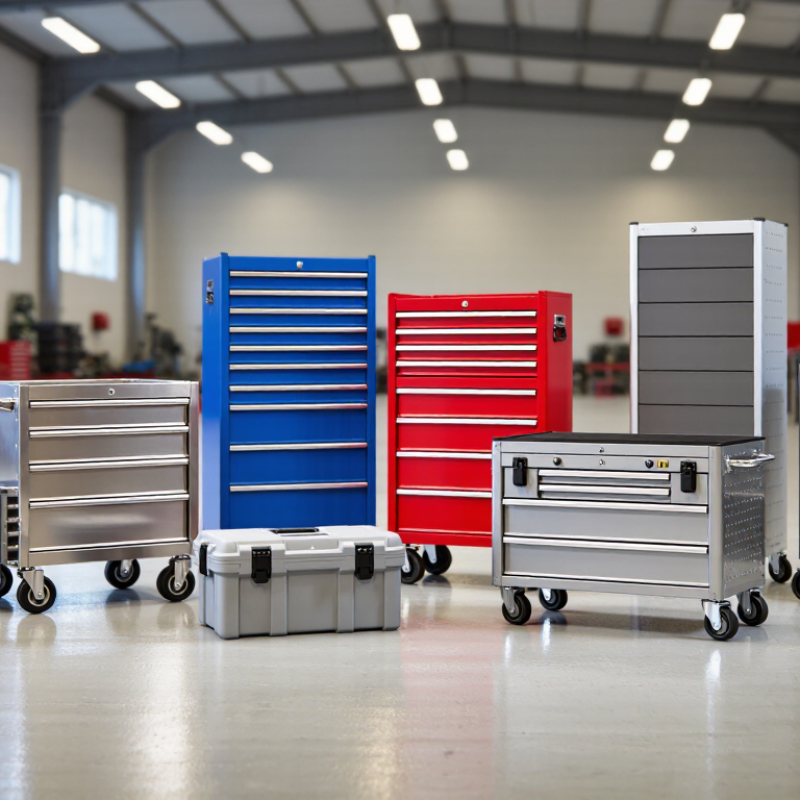
Definition and Core Functions of Mechanic Tool Boxes
A mechanic tool box is a storage system designed to organize, protect, and transport tools used for vehicle and equipment maintenance. Unlike a simple container, it may include drawers, trays, cabinets, or a mobile frame. For global buyers, the definition also includes material quality, safety, capacity, and suitability for different working environments. That sounds simple.
Its core function is controlled access. A technician should find a socket, torque wrench, or diagnostic tool without moving loose equipment across the floor. Deep drawers hold power tools, while shallow compartments suit bits and fasteners. Dividers reduce shifting during transport. A lockable structure helps prevent unauthorized access, especially in shared workshops. Heavy-duty casters improve movement, but they must match the loaded weight and floor condition.
Protection is equally important. Powder-coated steel can resist daily abrasion, while sealed drawers help reduce dust and moisture exposure. Buyers should examine drawer slides, weld quality, handle strength, and stated load ratings. Measurements matter too; a box that fits one workshop may block another aisle. Small details matter. Still, no specification replaces practical inspection. Some boxes appear solid but flex under uneven loads, and this weakness may become obvious only after months of use. Careful buyers should compare working habits, climate, transport needs, and maintenance access before selecting a suitable type.



 © Copyright 2020 Tianjin Tanghaidongyang Valve Co., Ltd. All Rights Reserved.