| Profiled single-skin metal panels | Roll-formed coated steel or aluminum sheets fixed to a supporting frame; insulation and interior lining are generally separate parts of the wall build-up. | ASTM A653/A653M covers zinc-coated (galvanized) steel sheet; ASTM A792/A792M covers 55% aluminum-zinc alloy-coated steel sheet. Confirm the specified substrate, coating, thickness, and applicable project tests. | Warehouses, factories, agricultural buildings, and industrial enclosures. | Request material certificates, base-metal thickness, coating designation, paint-system details, profile drawings, and confirmation of compatible fasteners and support spacing. |
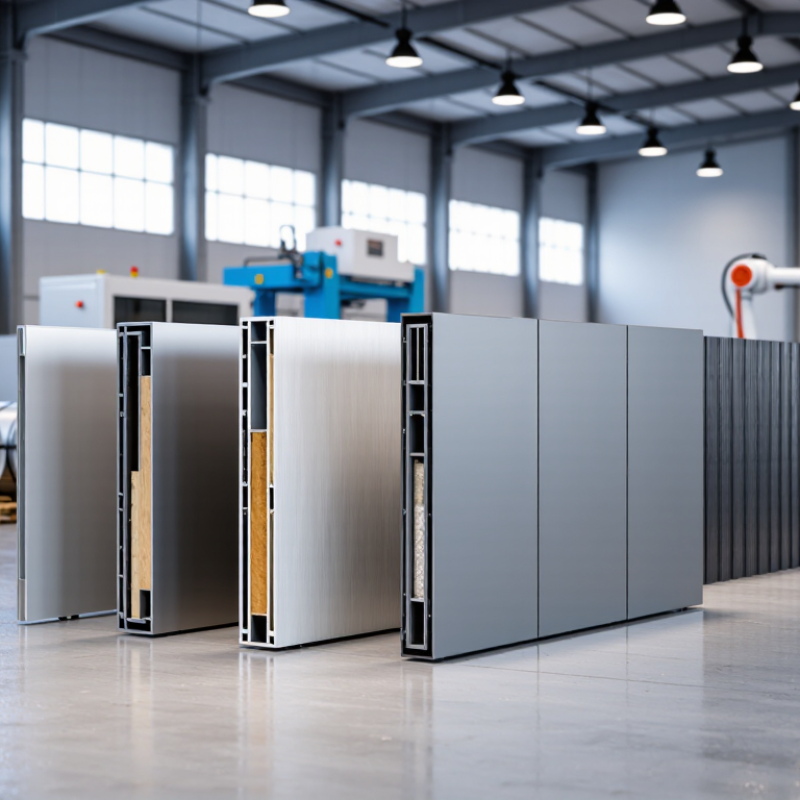
| Insulated metal sandwich panels | Factory-made panels with metal facings bonded to an insulating core; core type, joint design, and panel thickness vary by product and performance needs. | EN 14509 specifies requirements for factory-made, double-skin metal-faced insulating panels. Fire classification and structural, thermal, and weather performance should be verified for the exact product and intended use. | Temperature-controlled facilities, logistics buildings, food-processing areas, and industrial or commercial envelopes. | Check core type, declared thermal performance, joint and seal details, fire documentation, panel span tables, and test evidence for the proposed configuration. |
| Aluminum composite panels (ACP) | Two aluminum sheets bonded to a core; core composition and panel build-up differ among products and must be identified in the specification. | ASTM B209/B209M covers aluminum and aluminum-alloy sheet and plate. Fire performance must be evaluated for the applicable wall assembly and jurisdiction; NFPA 285, where required by code or design, is an assembly test rather than a standalone panel rating. | Commercial façades, soffits, canopies, and interior feature surfaces, subject to project fire and building-code requirements. | Confirm core composition, aluminum skin thickness, coating specification, fabrication limits, and fire-test reports for the complete assembly where required. |
| Metal rainscreen and cassette panels | Formed metal panels attached to a subframe, commonly used with a drained and ventilated cavity and a separate air or water control layer. | ASTM E283, E330, and E331 are test methods for air leakage, structural performance, and water penetration of applicable exterior wall assemblies or components. AAMA 508 and AAMA 509 address specified pressure-equalized and drained/back-ventilated rainscreen systems. | Commercial, institutional, and residential façades where a ventilated cladding system is specified. | Review subframe design, cavity drainage, movement allowances, corrosion compatibility, perimeter details, and test reports matching the proposed assembly. |
| Perforated or expanded metal screens | Open metal sheets or mesh panels mounted as a screen; opening pattern, support arrangement, and finish are selected for the intended visual and functional requirements. | ASTM B209/B209M may apply to aluminum sheet or plate; applicable steel product standards depend on the specified substrate. Verify structural design and coating requirements for the project exposure. | Sunshades, screens, parking structures, plant enclosures, and decorative façade layers. | Specify open area, pattern tolerance, edge treatment, support spacing, wind-load design, finish, and corrosion protection for the site environment. |
| General manufacturer and export review | Capability may include forming, coating, insulation-panel production, fabrication, packing, and export coordination; scope varies by supplier. | ISO 9001 is a quality-management-system standard, not a product-performance certification. Check the certificate's scope, validity, and issuing body, and review product-specific test reports separately. | Projects requiring custom profiles, repeat production, documented quality control, or cross-border delivery. | Compare approved drawings, samples, inspection plans, traceability, lead time, packaging, Incoterms, warranty terms, and responsibility for local code compliance. |



 © Copyright 2020 Tianjin Tanghaidongyang Valve Co., Ltd. All Rights Reserved.