Peptide products need boxes that protect stability, handling, and clear identification. The right choice depends on formulation, temperature data, and distribution distance.
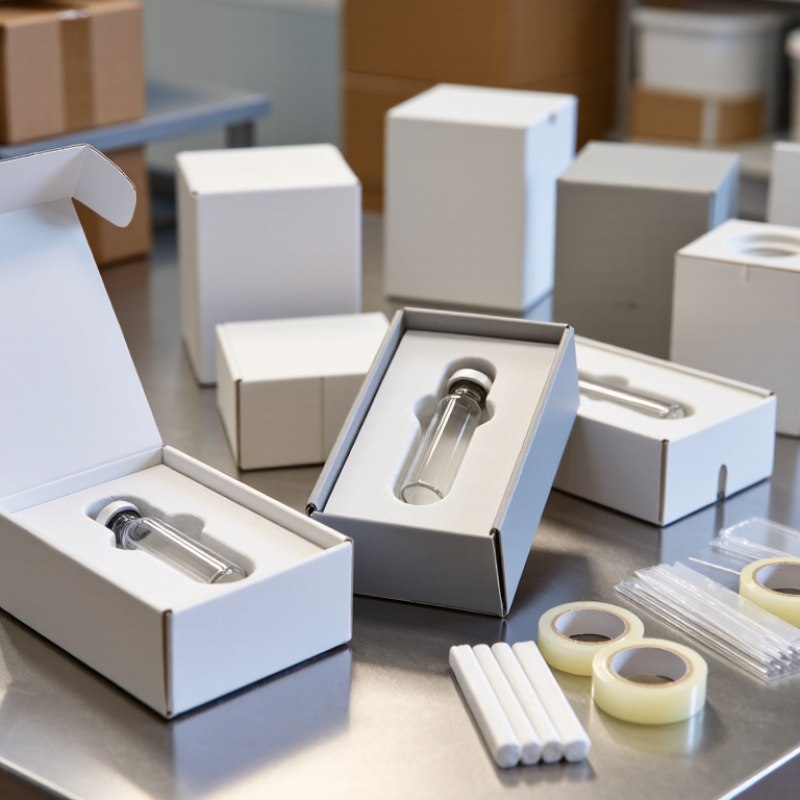
For routine secondary packaging, sturdy corrugated fiberboard offers impact resistance and efficient pallet use. A folding carton can hold a vial tray, instruction leaflet, and tamper-evident seal.
Rigid setup boxes look more premium, but they add weight and shipping volume. That trade-off deserves honest review.
For moisture-sensitive or light-sensitive contents, use coated boards and suitable inner barriers. Do not treat a coating as a complete moisture solution. Packaging teams should confirm performance through stability and transit testing.
Molded pulp inserts can replace plastic in some layouts, yet they may absorb moisture. Foam inserts cushion fragile containers, while recyclable paper systems can simplify disposal.
Neither option fits every peptide format.
For temperature-controlled shipments, insulated corrugated shippers with qualified cooling materials may be necessary. The box style should leave space for coolants, data loggers, and handling labels.
Small mailer boxes suit limited quantities and reduce movement inside parcels. Larger kits need dividers, corner protection, and secure closures.
Global buyers should request material specifications, test reports, lot traceability, and export-ready labeling. Regulations differ by market.
A box can look excellent and still fail a real route test. That is where careful revision matters.



 © Copyright 2020 Tianjin Tanghaidongyang Valve Co., Ltd. All Rights Reserved.