Top 10 Piston Filler Machines for Efficient Packaging Today?
In the world of packaging, efficiency holds the key to success. Piston Fillers are crucial in achieving this goal. Industry expert John Baxter once stated, “The right piston filler can transform your packaging process, making it faster and more reliable.” This highlights the importance of selecting the right machinery.
Piston fillers offer precision and speed for a variety of products. They are ideal for both liquids and thick pastes, making them versatile. However, selecting the right machine can be daunting. Each model has different specifications and capabilities. Therefore, it’s essential to understand your unique needs and limitations before making a decision.
The market provides a range of options. Yet, some machines may require more maintenance than others. This can lead to unforeseen downtime. Companies must evaluate both initial costs and long-term efficiency. In the quest for optimal performance, reflection on existing operations is necessary. Understanding these factors can pave the way for better packaging solutions.
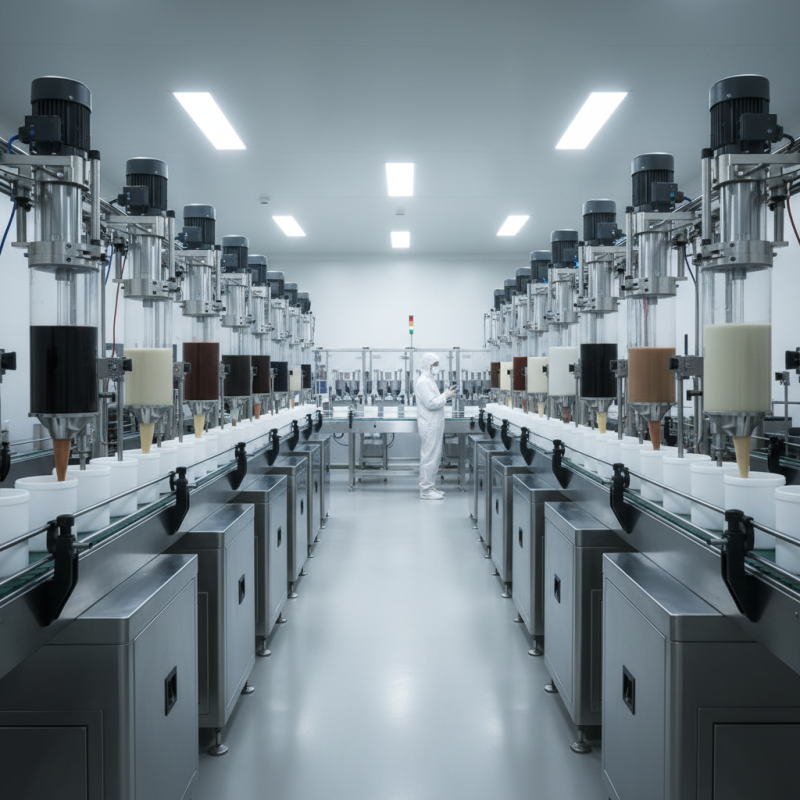
Top 10 Piston Filler Machines for Efficient Packaging Today
When it comes to packaging, efficiency is key. Piston filler machines excel in this area. They offer precise filling, ensuring minimal waste and consistent quality. These machines use a simple yet effective principle: a piston draws liquid into a cylinder before dispensing it into containers. This method supports various viscosities, making them versatile across different industries.
Many users find that adjusting these machines can be tricky. Calibration requires careful attention to detail. Even a small error can lead to overfilling or underfilling containers. Regular maintenance is crucial. Neglecting this can result in inconsistent performance. A reliable piston filler must be maintained to sustain its efficiency over time.
However, it’s essential to choose a model that fits your specific needs. Considering factors like capacity and speed can make a significant difference. Operators often need comprehensive training to maximize the machine's capabilities. With the right guidance, a piston filler can significantly boost packaging operations. Being aware of these aspects can elevate your production process and improve overall efficiency.
Overview of Piston Filler Machines: Definition and Applications
Piston filler machines are essential in various industries, including food and beverage, pharmaceuticals, and cosmetics. These machines work by using a piston mechanism to dispense precise amounts of liquid into containers. This accuracy is crucial for maintaining quality and consistency in products. According to a recent market report, the global piston filler machine market is expected to grow at a compound annual growth rate (CAGR) of 5.4% between 2021 and 2026, highlighting their increasing importance in efficient packaging processes.
In industrial applications, piston fillers can handle a diverse range of viscosities. They are suitable for both thin liquids and thicker substances like creams or sauces. The versatility makes them popular among manufacturers seeking reliable and efficient solutions. However, one notable challenge is the need for regular maintenance and calibration. Neglecting these tasks can lead to inconsistencies in filling accuracy. This could ultimately affect product quality and customer satisfaction. Data suggests that improper calibration may result in a 10% variation in fill volumes, underscoring the importance of diligent upkeep.
Moreover, advancements in technology are continuously enhancing the functionality of piston fillers. Automated systems now integrate with production lines, improving overall efficiency. However, the initial investment can be substantial. Smaller companies might find it challenging to justify these costs. Despite these hurdles, the shift towards automation in filling processes has driven many businesses to reevaluate their packaging strategies. In conclusion, the application of piston filler machines represents both an innovative leap and a critical area for ongoing reflection within the packaging industry.
Market Trends: Growth of Piston Fillers in the Packaging Industry
The packaging industry has seen significant growth in the adoption of piston filler machines. This surge is driven by the need for increased efficiency and precision in production lines. According to a recent report from Grand View Research, the global piston fillers market is projected to grow at a compound annual growth rate (CAGR) of 4.8% from 2022 to 2030. This growth hints at a shift towards more automated and reliable filling systems.
Many manufacturers are turning to piston fillers for various applications, including liquids and viscous products. These machines offer high accuracy in volume control, reducing material waste and improving overall productivity. However, there are challenges in achieving optimal performance. For instance, ensuring proper maintenance is crucial to avoid downtime and complications in production. Some piston fillers may also require specific adjustments for different product viscosities, leading to potential inefficiencies.
As the industry evolves, companies must adapt to these trends while considering the limitations of their equipment. Continuous training for operators and technicians is essential to maximize the output of piston fillers. Keeping an eye on the latest technological advancements can also help improve these machines' reliability and efficiency, ultimately benefiting the entire production line.
Key Features to Consider When Selecting a Piston Filler Machine
When selecting a piston filler machine, several key features are vital for efficient packaging. The fill volume accuracy is crucial. Precision ensures consistent product output. An inaccurate machine can lead to product waste or customer dissatisfaction. A good machine should provide adjustments for various fill sizes. Check whether the device supports a range of viscosities as well. Liquids vary greatly, and a versatile filler will save time and effort.
Another factor to consider is the machine's ease of cleaning. Many industries operate under strict hygiene standards. A filler that disassembles easily allows for thorough cleaning. This helps prevent contamination and maintains product integrity. Look for machines with accessible parts and straightforward designs. Maintenance and operational costs should also be part of your evaluation. Some machines might have lower upfront costs but higher long-term expenses.
Speed is another critical consideration. A higher fill rate can significantly impact production levels. However, if the machine compromises on accuracy for speed, that can lead to increased waste. Assess what balance of speed and accuracy suits your production line best. Ensure the machine's construction is durable. This will reduce the frequency of parts needing replacement.
Comparative Analysis: Leading Brands and Their Piston Filler Models
Piston filler machines are crucial in various industries like food, pharmaceuticals, and cosmetics. Each leading brand offers unique features and models that cater to specific packaging needs. Some machines focus on speed, while others excel in precision. This variety can overwhelm potential buyers. It’s essential to assess which model fits your workflow best.
When comparing different models, consider factors like filling volume, material compatibility, and ease of use. Certain machines may promise high efficiency but lack the flexibility needed for multiple products. For example, a robust machine might struggle with handling viscous liquids. It's vital to evaluate how a machine will perform under your specific conditions.
In addition, customer support and maintenance services should not be overlooked. Some brands have excellent customer service, while others are less responsive. An unreliable machine can lead to downtime and loss of revenue. Ensuring that you have a dependable support system can make a significant difference in your operations. A careful analysis will ultimately lead you to the best choice.
Top 10 Piston Filler Machines for Efficient Packaging Today
| Model | Filling Capacity (ml) | Speed (bottles/min) | Power (kW) | Weight (kg) | Price Range ($) |
| Model A | 100-1000 | 30 | 1.5 | 200 | 5000-7000 |
| Model B | 250-1500 | 45 | 2.0 | 300 | 7000-9000 |
| Model C | 500-2000 | 40 | 1.8 | 250 | 6000-8000 |
| Model D | 100-1200 | 50 | 2.5 | 220 | 7500-9500 |
| Model E | 200-1000 | 35 | 1.2 | 180 | 4000-6000 |
| Model F | 300-1500 | 42 | 2.2 | 270 | 5200-7200 |
| Model G | 400-1600 | 38 | 1.6 | 230 | 6500-8500 |
| Model H | 150-1300 | 55 | 2.8 | 290 | 8000-10000 |
| Model I | 350-1100 | 48 | 1.7 | 210 | 7200-9200 |
| Model J | 450-1800 | 33 | 2.4 | 280 | 9000-11000 |
Conclusion
Piston fillers have become essential tools in the packaging industry, known for their precision and efficiency in filling various types of liquids, pastes, and creams. The article provides an overview of piston filler machines, outlining their definition and diverse applications across different sectors. As market trends indicate significant growth in the adoption of these machines, it highlights key features to consider when selecting a piston filler, such as accuracy, ease of use, and maintenance requirements.
Additionally, the article features a comparative analysis of leading brands and their respective piston filler models, offering insights into performance and technological advancements. Through industry case studies, it illustrates the efficiency gains achieved by companies that have integrated piston fillers into their production lines, confirming their value in modern packaging operations. Overall, piston fillers represent a vital innovation for businesses seeking to enhance their packaging efficiency and output quality.


 © Copyright 2020 Tianjin Tanghaidongyang Valve Co., Ltd. All Rights Reserved.