Top 10 Riding Thermoplastic Marking Vehicles in China 2026?
In the ever-evolving field of road safety and maintenance, Riding Thermoplastic Marking Vehicles (RTMVs) have become crucial. By 2026, China is expected to lead innovations in this sector. Renowned industry expert, Dr. Li Yang, states, "Proper road markings save lives and improve traffic flow significantly." His insight reflects the industry's responsibility to enhance safety.
RTMVs play a vital role in applying durable road markings. These vehicles ensure clear visibility and longevity, essential for high-traffic areas. They utilize thermoplastic materials, providing benefits such as quick drying times and resistance to wear. However, the market still faces challenges. Many manufacturers struggle to meet quality standards consistently. This inconsistency raises concerns about safety and reliability.
As the demand for effective roadway management grows, selecting the right RTMV is critical. Potential buyers must weigh factors like efficiency, maintenance needs, and cost. An informed decision can directly impact roadway safety. Engaging with experts and manufacturers is key in this process. The journey toward optimal road marking solutions requires continuous improvement and reflection in the industry.
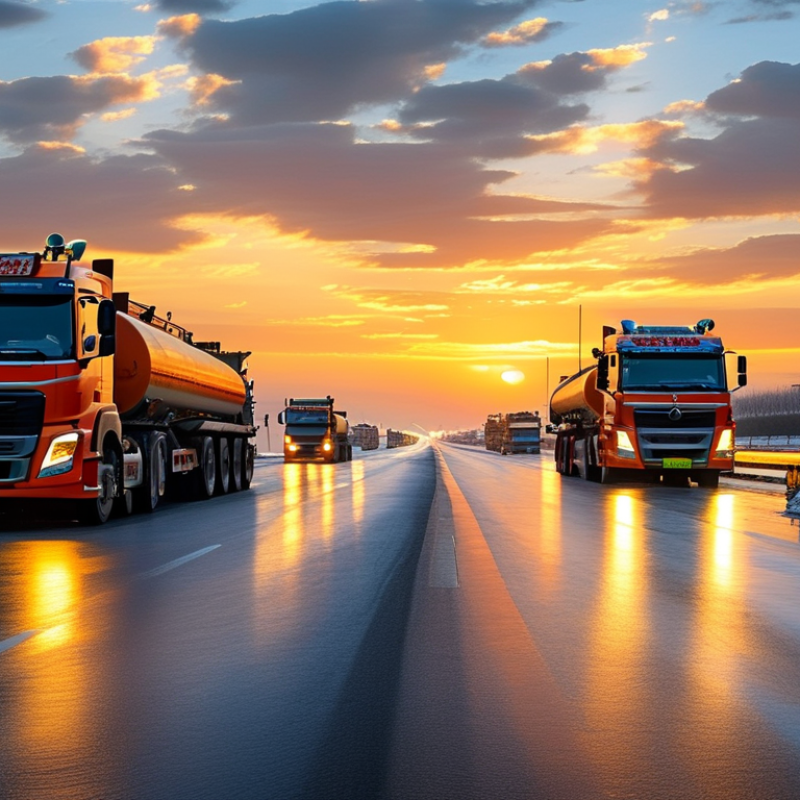
Overview of Riding Thermoplastic Marking Vehicles and Their Importance
Riding thermoplastic marking vehicles play a crucial role in road safety and infrastructure maintenance. These vehicles are designed to apply thermoplastic material on road surfaces, ensuring durable and visible markings. A recent industry report indicated that the demand for these vehicles is projected to grow by 15% annually through 2026 in China. This underscores their importance in urban planning and traffic management.
Thermoplastic markings are preferred due to their longevity. They can withstand harsh weather conditions and heavy traffic. For example, a government study highlighted that thermoplastic markings can last up to five times longer than traditional paint. However, many cities still rely on older technologies that do not meet today’s safety standards. This gap exposes road users to potential dangers.
Another factor to consider is the environmental impact of thermoplastic materials. Some products contain volatile organic compounds (VOCs), raising concerns about air quality. Despite these issues, innovations in materials are addressing these challenges. New formulations have emerged, reducing pollution while maintaining performance. The future of riding thermoplastic marking vehicles in China lies in balancing efficiency and sustainability.
Top 10 Riding Thermoplastic Marking Vehicles in China 2026
The following chart illustrates the projected growth in the sales volume of riding thermoplastic marking vehicles in China by 2026. The data indicates the increasing demand in urban development and road safety measures which are driving the market upward.
Key Criteria for Selecting Riding Thermoplastic Marking Vehicles in China
When selecting riding thermoplastic marking vehicles in China, several critical criteria come into play. It’s essential to evaluate the vehicle's performance and efficiency. A powerful engine with good fuel economy is a must. Also, check the vehicle's ability to operate in various weather conditions. This ensures consistent performance regardless of rain or heat.
Furthermore, consider the ease of maintenance and repair. A design that allows for quick access to vital components can save time. Operators should feel comfortable using the vehicle, so ergonomics is crucial. Features like adjustable seats and intuitive controls enhance usability. Training programs can also improve operator efficiency and safety.
Finally, pay attention to safety features. Advanced safety systems can prevent accidents on busy roads. Regular inspections and compliance with safety standards should be mandatory. This helps create a reliable working environment and reduces risks associated with operation. Each of these elements contributes to a comprehensive understanding of the right vehicle for thermoplastic marking tasks.
Analysis of the Top 10 Riding Thermoplastic Marking Vehicles in 2026
In 2026, the market for riding thermoplastic marking vehicles in China is poised for significant growth. Recent industry reports indicate that this segment is expected to grow at a compound annual growth rate (CAGR) of over 6% from 2023 to 2026. This increase is driven by the rising demand for durable and visible road markings, particularly in urban areas where traffic safety is paramount.
The top ten riding thermoplastic marking vehicles are becoming more advanced. Many of these vehicles now feature improved efficiency and automated systems. Data suggests that models equipped with real-time tracking can reduce material waste by up to 15%. However, the initial investment for these vehicles remains a concern for smaller municipalities.
Moreover, environmental challenges persist. The production of thermoplastic materials often involves significant emissions. Some manufacturers are exploring eco-friendly alternatives, but adoption has been slow. The industry must balance efficiency with sustainability. As we look toward 2026, addressing these challenges will be crucial for the long-term health of the thermoplastic marking vehicle market.
Future Trends in Riding Thermoplastic Marking Technology and Vehicle Design
As the demand for road safety increases, riding thermoplastic marking technology is evolving. New materials are more durable and environmentally friendly. They offer better adhesion and visibility. This is crucial for reducing road accidents.
Vehicle design is also changing. Modern vehicles focus on efficiency and ease of use. Many now incorporate advanced GPS systems for optimal marking paths. Despite these advances, some challenges remain. Technicians need thorough training to operate new machines effectively.
Sustainability is another key trend. Eco-friendly materials are gaining traction. However, the industry must balance cost and environmental impact. Future designs may need to address this concern directly. Innovative solutions could lead to a greener marking process. This is a space to watch closely in the coming years.
Impact of Regulations and Standards on Thermoplastic Marking Vehicles in China
The landscape of thermoplastic marking vehicles in China is evolving. Regulatory frameworks are driving significant changes in vehicle design and operational standards. Compliance with environmental regulations means adopting more sustainable materials and practices. The pressure for innovation enhances efficiency and reduces waste.
Recent regulations impact vehicle specifications directly. Manufacturers must rethink their approaches to ensure adherence to safety and quality standards. This can lead to challenges, such as increased production costs. Many companies grapple with balancing compliance and profitability. Testing and certification processes often add delays, affecting delivery schedules.
The market is not yet fully optimized. Some manufacturers continue to struggle with outdated practices. There's a noticeable gap between regulatory expectations and industry capabilities. This highlights a need for ongoing training and development.
Exploring advanced technologies can mitigate these issues and enhance compliance outcomes. Reliable and adaptable solutions are essential for a sustainable future in thermoplastic marking.


 © Copyright 2020 Tianjin Tanghaidongyang Valve Co., Ltd. All Rights Reserved.