Top 10 Sales Brick Moulding Machine Manufacturers Worldwide?
The demand for Sales Brick Moulding Machine Manufacturers is growing rapidly. According to a market research report by Grand View Research, the global brick manufacturing machinery market is projected to reach $6.5 billion by 2025. As construction activities rise around the world, efficient and reliable brick moulding machines are essential for meeting the increasing production needs.
Leading manufacturers are innovating to improve efficiency and reduce operational costs. They focus on automation, reducing labor dependency, and enhancing product quality. Companies like Dongyue Machinery Group and Qingdao HF Industry Co., Ltd. are prominent in this sector. Their contributions reflect a blend of experience and technological advancement. However, the landscape is not without challenges. Some manufacturers struggle with supply chain disruptions and fluctuating demand patterns.
This push toward innovation underscores the importance of selecting the right Sales Brick Moulding Machine Manufacturer. Stakeholders must be cautious, as choosing a reliable partner is crucial for long-term success. Knowledge of the market and manufacturers' capabilities will guide better investment decisions. Engaging with established players can lead to fruitful collaborations that foster growth and efficiency.
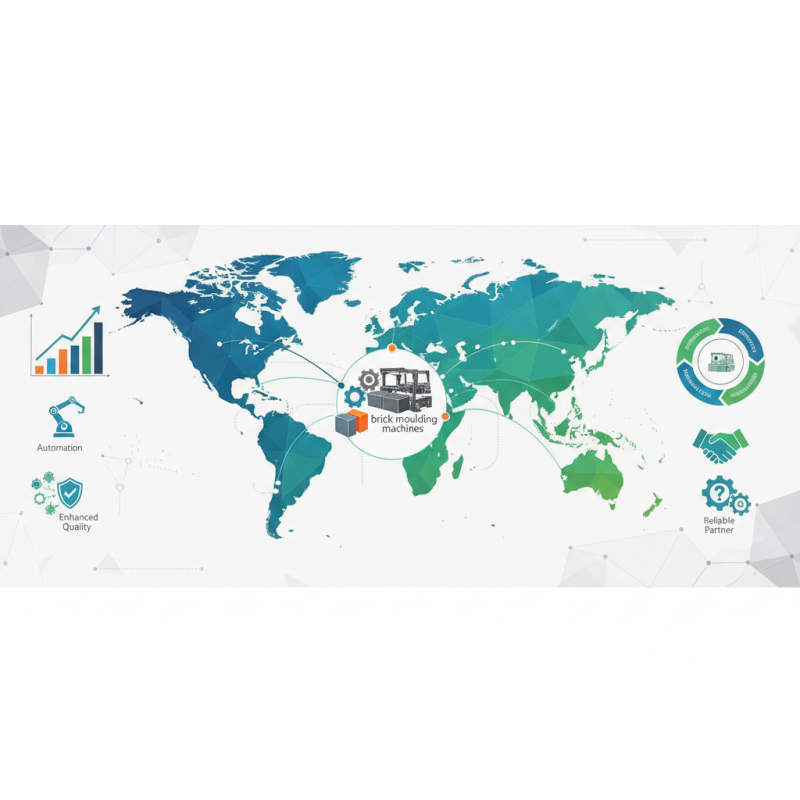
Top Manufacturers of Sales Brick Moulding Machines in 2023
In 2023, the market for brick moulding machines continues to grow. Industry reports highlight the rising demand for high-quality machines that increase production efficiency. The global market size for these machines has hit approximately $2 billion, with an expected growth rate of 5.1% annually. This reflects a significant investment trend as companies seek to optimize their production lines.
Investors should note the importance of choosing reliable manufacturers. Quality control is essential in machine production to avoid frequent breakdowns. High downtime can lead to significant losses in productivity. Many manufacturers are adopting advanced technologies, like automation, to remain competitive. The trend has led to more sustainable practices and cost reductions.
Here are a few tips for selecting the right machine:
- Evaluate production capacity first.
- Understand your needs before purchasing.
- Research the manufacturer's reputation through industry forums.
- Lastly, inquire about after-sales support. Maintenance and servicing can make or break the efficiency of your investment.
Market Share Analysis of Leading Brick Moulding Machine Producers
The global market for brick moulding machines is competitive. Leading manufacturers dominate with innovative technologies. Understanding the market share of these producers is essential for industry professionals.
Top manufacturers vary in capabilities and product range. Some focus on automation, enhancing production efficiency. Others prioritize sustainability, using eco-friendly materials in their machines. Despite their strengths, challenges remain, such as adaptability to local needs.
Market dynamics are continually evolving. Economic factors impact demand and pricing. Companies must stay agile to respond to changes. Data-driven decision-making can help navigate these complexities. Exploring new markets presents opportunities but also risks, as each region has unique requirements.
Technological Innovations in Brick Moulding Equipment Design
The brick moulding equipment sector is undergoing rapid technological advancements. These innovations focus on efficiency, sustainability, and precision. Automation, for instance, can enhance production rates significantly. According to industry reports, automation can increase output by up to 30% in brick manufacturing. This shift also reduces labor costs, which is increasingly attractive to manufacturers.
Another notable trend is the integration of smart technologies. IoT-enabled machines allow for real-time monitoring and data analysis. This proactive approach helps identify issues before they become critical, thus minimizing downtime. Energy-efficient designs are also gaining traction. New molds made from lighter materials have demonstrated a 15% decrease in energy consumption.
Tips: Regular maintenance is essential for optimal machine performance. Keeping equipment clean and well-lubricated can prevent costly breakdowns. Additionally, consider investing in training for operators. Well-trained staff can optimize operations and implement best practices effectively.
It's crucial to evaluate these developments critically. While new technologies can improve outputs, they also come with challenges. Manufacturers must consider the initial costs and the learning curve associated with implementing advanced systems. Embracing innovation requires a balance between immediate investment and long-term gains.
Top 10 Sales Brick Moulding Machine Manufacturers Worldwide
| Rank | Annual Sales Volume (Units) | Market Share (%) | Innovative Features | Geographical Reach |
| 1 | 15,000 | 25% | Automatic molding, Energy-efficient | North America, Europe |
| 2 | 12,000 | 20% | Robust design, High-speed operation | Asia, Africa |
| 3 | 10,000 | 15% | Manual and automatic options, Customizable | Europe, South America |
| 4 | 8,000 | 12% | Low maintenance, Eco-friendly | North America, Asia |
| 5 | 7,000 | 10% | High precision, Fast production cycle | Europe, Africa |
| 6 | 6,500 | 8% | Multi-functional, User-friendly interface | Asia, South America |
| 7 | 5,000 | 6% | Energy-saving, Durable materials | North America, Europe |
| 8 | 4,500 | 5% | Compact design, Lightweight | Asia |
| 9 | 3,500 | 4% | Simple operation, Fast setup | Africa |
| 10 | 2,000 | 3% | Affordable, Basic features | Local markets |
Factors Influencing Brick Moulding Machine Selection in Construction
When choosing a brick moulding machine for construction, several factors come into play. The type of project is crucial. Are you constructing residential buildings, commercial spaces, or industrial facilities? Each type has different demands. The machine’s capacity is another consideration. Higher output machines can handle larger projects but may have higher upfront costs.
Quality is key in brick production. Machines should produce uniform bricks to ensure structural integrity. Material compatibility cannot be overlooked. Some machines work better with specific materials. Understanding the local supply chain for raw materials can save both time and money.
Cost-effectiveness matters. Balance between initial investment and maintenance costs is essential. Sometimes, cheaper options lead to higher long-term expenses due to repairs. Brands with a strong reputation generally provide reliable equipment. However, it’s wise to research and assess real customer feedback. Local availability of spare parts is also a vital point. Limited access may lead to delays in operations. These factors create a complex decision-making process that merits careful reflection.
Global Demand Trends for Brick Moulding Machines by Region
The global demand for brick moulding machines is witnessing significant shifts across various regions. According to recent industry reports, Asia-Pacific holds the largest market share. The demand is driven by rapid urbanization and increasing infrastructure projects. Countries like India and China are leading in production capacity, attributing to an annual growth rate of approximately 7.5% in this sector. This trend reflects a broader global shift towards sustainable construction practices.
In North America, the demand for advanced brick moulding technologies is on the rise. Manufacturers are integrating automation to enhance efficiency. Reports indicate a 5% growth in this region due to investments in eco-friendly building materials. However, challenges persist, such as high operational costs and the need for regular maintenance of machinery. These factors impact overall profitability and can deter smaller players in the market.
Emerging markets in Africa and Latin America show potential for growth as infrastructure development accelerates. Yet, many manufacturers are grappling with inconsistent supply chains and regulatory hurdles. Regional variations in demand highlight the complexity of this market. As manufacturers adjust strategies to meet diverse needs, refining practices and adapting technologies remain crucial for sustaining competitive advantage.



 © Copyright 2020 Tianjin Tanghaidongyang Valve Co., Ltd. All Rights Reserved.