Top 10 Sheet Extruder Manufacturers for Global Buyers
Key Technologies, Materials, and Production Capabilities
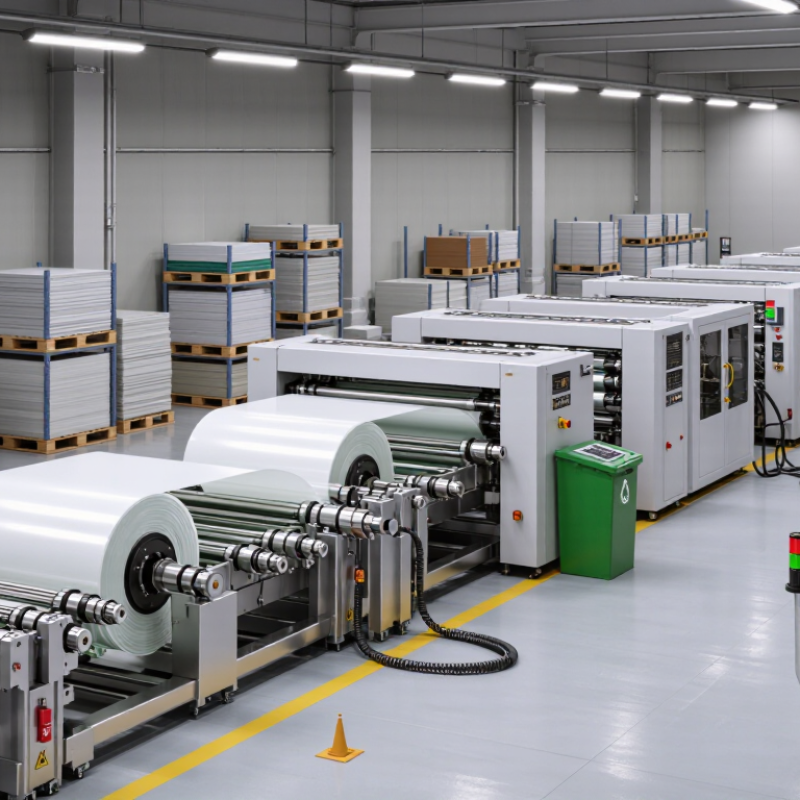
Global buyers should assess sheet extruder manufacturers through measurable production evidence, not polished brochures. PlasticsEurope reported global plastics production of 413.8 million tonnes in 2023. That scale increases pressure for stable output, lower scrap, and reliable material control. A capable supplier should demonstrate single-screw and twin-screw systems, accurate T-dies, multi-roll calenders, and automatic thickness monitoring.
Material flexibility matters. Common lines process PP, PE, PET, ABS, PC, and recycled blends. Recycled feedstock can change melt flow and moisture levels. That detail is often underestimated. Buyers should request trial data using their actual formulation, not standard virgin pellets. The test should record throughput, sheet width, thickness variation, surface quality, and energy use. According to the Ellen MacArthur Foundation’s Global Commitment 2023 report, recycled content and circular packaging targets continue expanding across major markets.
Production capability also includes filtration, edge trimming, cooling, and downstream stacking. A line rated at 1,000 kilograms per hour may produce less under demanding recycled materials. Ask for verified output at the required thickness. Request factory acceptance records, calibration procedures, and service response times. The European Commission’s 2023 Plastics Transition Pathway highlights efficiency, circularity, and digital monitoring as industry priorities. Still, digital controls cannot repair poor screw design. That is where many comparisons become too optimistic.



 © Copyright 2020 Tianjin Tanghaidongyang Valve Co., Ltd. All Rights Reserved.