Top 10 Solar Inverter and PCS for Global Buyers in 2026?
As the adoption of renewable energy surges, the demand for efficient Solar Inverter And Pcs solutions is on the rise. By 2026, global buyers will navigate a complex landscape of products. Selecting the right inverter or power conversion system is critical for both cost-effectiveness and energy efficiency.
Solar Inverter and PCS play essential roles in harnessing solar energy. They convert DC electricity generated by solar panels into AC electricity used in homes and businesses. Quality inverters are crucial for ensuring the longevity and performance of solar systems. With numerous options available, understanding the best products is vital.
In this evolving market, buyers must be cautious. Variability in product quality exists, often leading to poor investments. Not all Solar Inverter and PCS meet stringent efficiency standards. Buyers should consider experiences shared by other users and seek recommendations. Relying on trusted reviews can provide insightful guidance for making informed decisions.
Overview of Solar Inverters and PCS in 2026
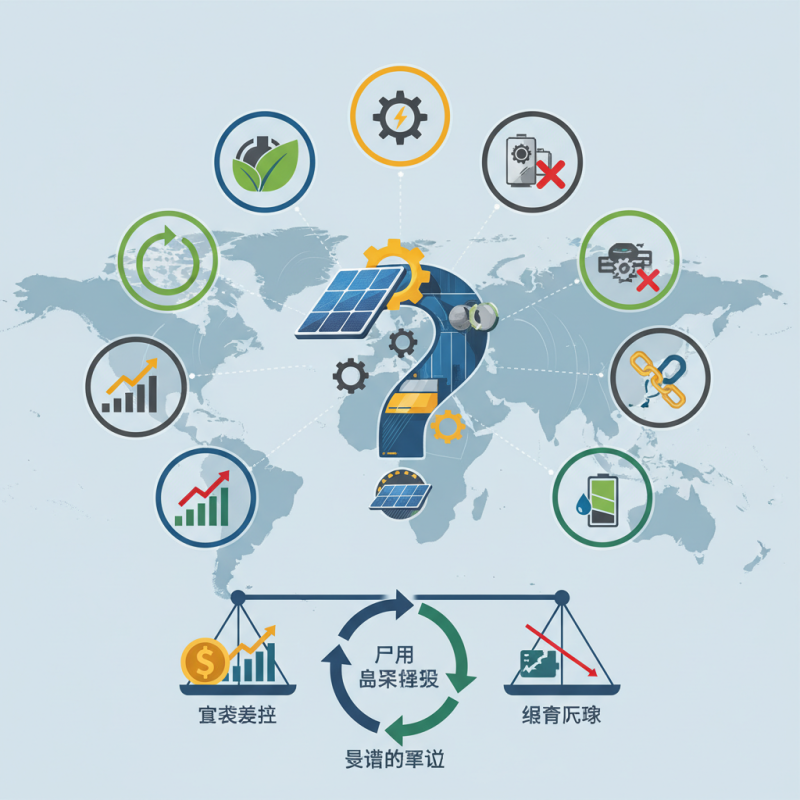
In 2026, the solar inverter and power conversion system (PCS) market will witness significant advancements. According to a recent report, the global solar inverter market is projected to reach $30 billion by 2026, with a compound annual growth rate (CAGR) of 20%. This surge is driven by the increasing adoption of renewable energy sources and government incentives.
Solar inverters play a crucial role in converting direct current (DC) from solar panels to alternating current (AC) for use in homes and businesses. By 2026, efficiency levels are expected to improve significantly, with some models achieving over 99% efficiency. However, challenges remain. The integration of smart technology and grid support can complicate system designs. Not all existing systems will be compatible with new solutions.
Moreover, the demand for energy storage systems will also rise. With battery technologies evolving, more consumers will seek inverters that seamlessly integrate with these systems. Yet, scalability can be a hurdle. Adapting production lines to meet increasing demand and maintaining high quality is vital. The industry must focus on innovation while considering sustainability. Monitoring these trends will be essential as we approach 2026.
Top 10 Solar Inverter and PCS in 2026
Key Features to Look for in Solar Inverters
When considering solar inverters in 2026, buyers must focus on key features. Efficiency is crucial. Modern inverters should exceed 97% efficiency to maximize energy conversion. According to industry reports, high-efficiency models can significantly reduce energy losses. This is essential for both residential and commercial applications, especially in regions with variable sunlight.
Durability is another important aspect. Inverters should withstand harsh weather conditions and operate reliably over years. A lifespan of at least 10 to 15 years is expected. Reports indicate that poorly designed units may fail prematurely, resulting in costly repairs. Buyers should also seek models with advanced monitoring capabilities. Real-time data on performance can help detect issues early and improve overall system efficiency.
Compatibility is key. Systems should integrate seamlessly with energy storage solutions. As more users adopt battery systems, inverters must support these technologies. Industry analysts predict a significant rise in hybrid inverter sales by 2026. This growth highlights the changing needs of consumers in renewable energy sectors. Buyers should research and prioritize inverters that meet these evolving standards.
Top Global Brands and Their Innovations
The future of solar inverters and power conversion systems (PCS) is bright as we look toward 2026. Leading global brands are continuously innovating. They focus on efficiency, reliability, and smart integration with energy management systems. These advancements respond to the growing demand for clean energy.
Key innovations include enhanced efficiency rates. Many brands are pushing towards over 98% efficiency. Smart functionalities are also a priority. Brands are now introducing predictive maintenance features. This helps in early detection of potential issues, reducing downtime.
Tips: When evaluating options, look for inverters that offer
real-time performance monitoring. This feature helps optimize energy usage and increases awareness. Researching the manufacturer’s history and expertise is crucial. Always check for updated certifications and standards compliance before making a choice.
One critical factor is
cost-effectiveness. While you may want the latest features, the return on investment matters. Domestic and commercial users both need systems that pay off over time. Reflecting on these aspects ensures you select a reliable system that meets your energy needs efficiently.
Market Trends Influencing Solar Inverter Choices
As the solar industry evolves, market trends significantly influence buyers' choices for inverters and Power Conditioning Systems (PCS). Key characteristics drive decisions, such as efficiency, hybrid capabilities, and technology integration. Today's buyers seek inverters with advanced efficiency ratings. High efficiency translates to better energy conversion, directly impacting overall system performance.
Consumers also look for hybrid inverters. These devices accept multiple power sources, such as solar panels and battery storage. This flexibility meets varying energy needs, making them attractive for diverse applications. Real-time data monitoring is crucial too. Systems that offer user-friendly apps provide insights into performance and usage efficiency. This feature enhances overall user experience.
Despite these advancements, challenges remain. Some buyers may face difficulties in selecting the right specifications. Not all inverters provide detailed performance data or compatibility with existing systems. Confusion is common among inexperienced users. Depending on personal preferences and regional energy demands can complicate the selection process further. Understanding these complexities is essential for making informed decisions in 2026.
Comparative Analysis of Performance and Efficiency
In the rapidly evolving solar industry, performance and efficiency are paramount for solar inverters and energy storage systems (PCS). A comparative analysis reveals significant differences in how various products manage power conversion. Efficiency ratings often vary, impacting energy yield and overall system costs.
Tips: Always check the efficiency rating. A higher percentage can mean better energy production. Look for models that are designed to handle dynamic conditions. This adaptability is essential for maximizing performance.
A critical aspect to consider is thermal management. Excess heat can reduce efficiency and lifespan. Advanced models include better cooling technologies. However, it's not always a guarantee that these systems perform optimally. Some may still struggle under high temperatures.
Tips: Pay attention to operating temperatures in specifications. This can influence long-term savings. Regular maintenance is vital to ensure consistent performance and efficiency. Don’t overlook user reviews; they can reveal real-world issues that specifications might not cover.
Top 10 Solar Inverter and PCS for Global Buyers in 2026
| Model | Output Power (kW) | Efficiency (%) | Weight (kg) | Temperature Range (°C) | Warranty (Years) |
| Model A | 5 | 98.4 | 10 | -25 to 60 | 10 |
| Model B | 7 | 98.6 | 11 | -30 to 55 | 12 |
| Model C | 3 | 97.9 | 9 | -20 to 60 | 5 |
| Model D | 10 | 98.1 | 15 | -25 to 50 | 10 |
| Model E | 8 | 98.3 | 12 | -20 to 55 | 10 |


 © Copyright 2020 Tianjin Tanghaidongyang Valve Co., Ltd. All Rights Reserved.