Top 5 Tips for Choosing the Right Auto Belt Tensioner?
Choosing the right Auto Belt Tensioner is crucial for your vehicle's performance. An effective auto belt tensioner maintains the proper tension on the drive belt, ensuring smooth engine operation. A worn or substandard tensioner can lead to belt slippage and even engine damage.
When selecting an auto belt tensioner, it’s essential to consider factors like compatibility, quality, and price. Look for products from reputable brands with proven performance records. A quality tensioner not only enhances vehicle reliability but also improves fuel efficiency. Many drivers overlook this component, yet it plays a vital role in your car's overall health.
Researching different options can be daunting. It's easy to feel overwhelmed by choices. However, prioritizing your needs and budget can simplify the process. Remember, investing time in selecting the right auto belt tensioner can save you from costly repairs down the road. Be mindful of your options, and don’t rush the decision-making process.
Understanding the Role of Auto Belt Tensioners in Vehicle Performance
Auto belt tensioners play a crucial role in vehicle performance. They maintain proper tension on the serpentine and timing belts. An optimal tension ensures that the engine components operate efficiently. When these belts are too loose, slippage can occur, leading to decreased performance. According to a recent industry report, improper tension can reduce power transmission efficiency by up to 25%.
A well-functioning tensioner influences vehicle stability and reduces noise. Over time, tensioners can wear out. This wear may result in uneven belt wear or failure of components due to insufficient tension. Industry experts recommend checking tensioners regularly. In fact, 40% of mechanical failures are linked to belt and tensioner issues. Drivers may not often think about these components, but neglecting them can lead to major engine problems.
Choosing the right auto belt tensioner involves consideration of several factors. Look for quality materials and a reliable design. While many tensioners may seem adequate, not all perform under high-stress conditions. It's vital to research proper specifications for your vehicle model. Also, some tensioners may show wear earlier than expected. Regular maintenance helps identify these issues before they escalate into costly repairs.
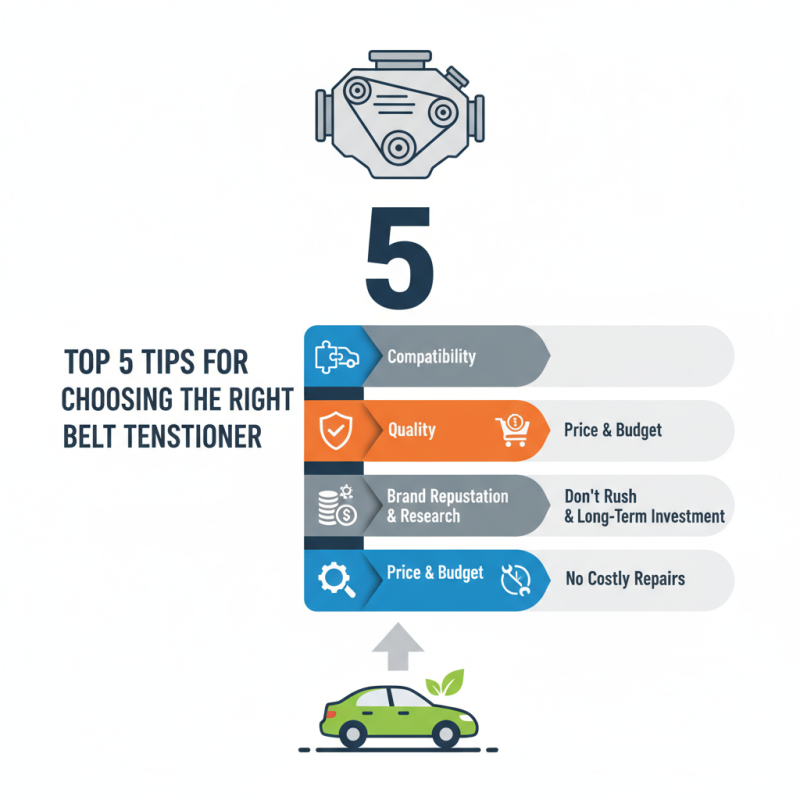
Top 5 Tips for Choosing the Right Auto Belt Tensioner
| Tip Number | Tip Description | Consideration Factor |
| 1 | Check compatibility with your vehicle's make and model. | Ensure proper fit for optimal performance. |
| 2 | Inspect the quality of materials used. | Higher quality materials extend lifespan. |
| 3 | Evaluate the tensioning mechanism type. | Different mechanisms offer varying performance. |
| 4 | Research warranty and customer support options. | A good warranty can save you costs in the long run. |
| 5 | Read reviews from other vehicle owners. | Real-world performance insights can guide your choice. |
Key Factors Influencing the Selection of Auto Belt Tensioners
When selecting an auto belt tensioner, several key factors can significantly impact your choice. Understanding these factors is crucial. First, consider the design and compatibility of the tensioner. It should fit your vehicle's specific make and model. A mismatch can lead to performance issues. Research various designs to find one that aligns with your needs.
Another factor is material quality. High-quality materials ensure durability and longevity. Look for options that are corrosion-resistant and well-engineered. Sometimes, cheaper options might seem appealing but can lead to more costly repairs later. Pay attention to warranty details as they may reflect the manufacturer’s confidence in their product.
Cost is also a consideration, though it shouldn't be the sole deciding factor. Weigh your options against their long-term benefits. Sometimes spending a bit more now can save you trouble down the road. Take the time to gather user reviews. This feedback can provide insights into durability and performance that specifications alone may not reveal.
Evaluating Compatibility: Matching Tensioners to Vehicle Makes and Models
Choosing the right auto belt tensioner is crucial for optimal vehicle performance. To begin, understanding the specific requirements of your car is essential. Different makes and models have unique designs. Using a tensioner that does not fit your vehicle can lead to stress on other components. This could result in more severe mechanical issues down the line.
Compatibility is not a one-size-fits-all situation. For instance, a tensioner designed for a sedan may not work on an SUV. Always refer to your vehicle’s manual for recommendations. Checking for correct specifications ensures the part will perform well. If you're unsure, consulting a professional mechanic can provide valuable insights. They often have the expertise to guide you in selecting the right piece, saving you from future headaches.
Another often overlooked aspect is installation. Even the best tensioner will fail if poorly installed. Improper fitting can create alignment issues and noise. Inspect the alignment and listen for any unusual sounds post-installation. After taking these steps, you can feel confident in your choice, knowing you've prioritized your vehicle's needs effectively.
Assessing Quality: Comparing OEM and Aftermarket Auto Belt Tensioners
When assessing quality in auto belt tensioners, the choice between OEM and aftermarket parts is critical. OEM (Original Equipment Manufacturer) tensioners are designed specifically for your vehicle's make and model. They often meet rigorous standards set by manufacturers. Numerous studies show that about 70% of automotive technicians prefer OEM parts for their reliability and fit.
Aftermarket tensioners can be more affordable. However, the quality can vary widely. Reports indicate that up to 30% of aftermarket parts may not meet the necessary standards. Some aftermarket options are created using inferior materials, which may lead to premature wear. It’s crucial to examine the manufacturer's reputation and customer reviews to gauge reliability.
In one industry survey, 40% of users reported dissatisfaction with aftermarket tensioners due to inconsistent performance. Shorter lifespans and increased noise are common complaints. While the cost savings can be tempting, the risk of frequent replacements could lead to higher long-term expenses. Balancing cost and quality is essential when making your choice.
Comparison of OEM and Aftermarket Auto Belt Tensioners
Proper Installation Practices for Enhanced Tensioner Longevity and Efficiency
When installing an auto belt tensioner, attention to detail matters. A proper installation contributes significantly to the tensioner’s longevity and efficiency. First, ensure that the tensioner is correctly aligned with the pulley system. Misalignment leads to uneven stress and rapid wear. Additionally, inspect the bolts and ensure they are tightened to the manufacturer's specifications. Loose bolts can cause vibrations, which may damage the tensioner over time.
Using the right tools is essential for effective installation. A tensioner requires specific torque settings that are crucial for optimal performance. Over-tightening can crack components, while under-tightening might lead to slippage. Thoroughly clean the area before installation to avoid contamination that can affect functionality. Small debris can create significant issues, leading to a costly breakdown.
In the end, consider the environment. Temperature fluctuations can impact material integrity. Regular inspections for wear and proper maintenance can save you money. It’s important to remember that even minor mistakes can have big consequences. Reflect on your installation methods to improve future outcomes. Every step counts in enhancing the tensioner’s lifespan.



 © Copyright 2020 Tianjin Tanghaidongyang Valve Co., Ltd. All Rights Reserved.