What Are the Top Types of EMT Waterproof Connectors?
Emt Waterproof Connectors help protect electrical connections where moisture, dust, or outdoor exposure may threaten a conduit system. The right choice depends on the installation, the conduit size, and the fitting’s listed use—not merely its appearance. A gasketed compression connector, for example, may suit a wet-location application when its product rating and installation instructions match the job. Set-screw fittings are common in other settings, but they should not be treated as waterproof by default. Details matter. A poorly seated seal can leave a small path for water.
This guide compares common types of EMT Waterproof Connectors, including raintight compression fittings, gasketed connectors, and corrosion-resistant options. It also explains how to assess materials, sealing methods, and compatibility before selecting a fitting. Check the manufacturer’s documentation for the exact environmental rating. Conditions vary, and product names alone can be misleading.
An expert quotation should be verified before publication. No source article or attributable expert statement was provided, so the following is an editorial placeholder, not a real quotation: “Choose the connector by its tested rating and installation conditions, not by the word ‘waterproof’ on the package.” — [Verified expert name and credentials]. That distinction is worth keeping. Replace the placeholder with a confirmed statement from a qualified electrical-connectivity professional before publishing.
How EMT Water Protection Is Rated: IEC 60529 IPX5 Uses 12.5 L/min
What Are the Top Types of EMT Waterproof Connectors?
How EMT Water Protection Is Rated: IEC 60529 IPX5 Uses 12.5 L/min
An IPX5 rating describes resistance to water jets, not protection against immersion. Under IEC 60529, the test uses a 6.3 mm nozzle delivering 12.5 liters per minute, with a permitted flow variation. Water is directed at the enclosure from different angles, typically from 2.5 to 3 meters away. The test lasts at least three minutes, with longer exposure for larger surfaces.
For EMT installations, this rating can help assess connectors exposed to washdown or wind-driven spray. But an IPX5 mark applies to the tested configuration, not automatically to every connected assembly. A loose fitting, damaged gasket, or poorly tightened connector can create a path for water. Check whether the rating covers the complete connector setup, including its conduit entry and any required sealing components. In practice, fit and condition matter as much as the label.
Rain-Tight Compression Connectors: Sealed Joints for Wet Locations
Rain-tight compression connectors are designed to keep water from tracking through EMT conduit joints into an enclosure. A sealing ring compresses against the conduit as the fitting is tightened, creating a close joint for wet locations. The detail is small. Its condition matters. A cut that is jagged, dirty, or out of round can interfere with the seal, even when the connector is suitable.
In practice, cut the EMT square, remove sharp burrs, and check that the sealing surface is clean before assembly. Seat the conduit fully and tighten the compression nut according to the fitting instructions; overtightening can damage parts, while a loose nut may leave the joint exposed. Match the connector to the conduit size and the enclosure entry, and inspect the gasket for cracks or displacement. A fitting marked rain-tight is not a promise of submersion protection, and it cannot compensate for a poorly sealed box or cover. That distinction is easy to overlook on a rushed installation. Where water exposure is persistent, verify the fitting’s rating and the complete enclosure arrangement for the actual conditions.
Gasketed Set-Screw Connectors: How Seals Protect EMT Connections
Gasketed set-screw connectors add a sealing surface where EMT enters an electrical box or enclosure. A compressible gasket rests against the enclosure wall, around the connector opening. Tightening the connector compresses the gasket and helps block water from seeping through that joint. The set screw grips the EMT; the gasket does not replace that mechanical hold. Small details matter. A crooked fitting, dirty surface, or pinched gasket can leave a path for moisture.
During installation, check that the gasket is seated flat and the enclosure surface is clean and undamaged. Tighten the set screw and locknut according to the fitting instructions; excessive force can deform parts or damage threads. It is easy to assume one gasket makes an entire EMT run waterproof. It does not. Water may enter through other fittings, enclosure covers, or conduit openings, so use components rated for the intended wet location and follow applicable installation requirements. After installation, a visual check can catch a shifted gasket, though it cannot prove the connection will stay dry in every condition.
Concrete-Tight EMT Connectors: Keeping Concrete Out During a Pour
What Are the Top Types of EMT Waterproof Connectors?
Concrete-Tight EMT Connectors: Keeping Concrete Out During a Pour
Concrete-tight EMT connectors help keep wet concrete and fine grit out of conduit joints during a pour. Their sealing surfaces press against the EMT and enclosure, limiting paths where slurry could enter. That matters around slab edges, formwork, and conduits set through a concrete floor. A small gap can become a stubborn cleanup problem. Concrete-tight does not automatically mean suitable for standing water or every outdoor condition; check the fitting’s rating for the actual exposure.
Tips: Match the connector size to the EMT. Check that sealing parts are present and undamaged. Tighten the connector securely, but avoid crushing or distorting the conduit. Before the pour, inspect each joint and support the run so it cannot shift. Keep open conduit ends capped.
A careful installation can still need attention. Concrete vibration and movement may loosen poorly supported runs, while residue on a sealing surface can compromise the fit. I would not assume a connector is sealed just because it feels tight. Wipe mating surfaces clean, follow the fitting instructions, and verify the assembly before concrete arrives. If the installation will face washdown or prolonged moisture, choose components rated for that environment rather than relying on the words “concrete-tight” alone.
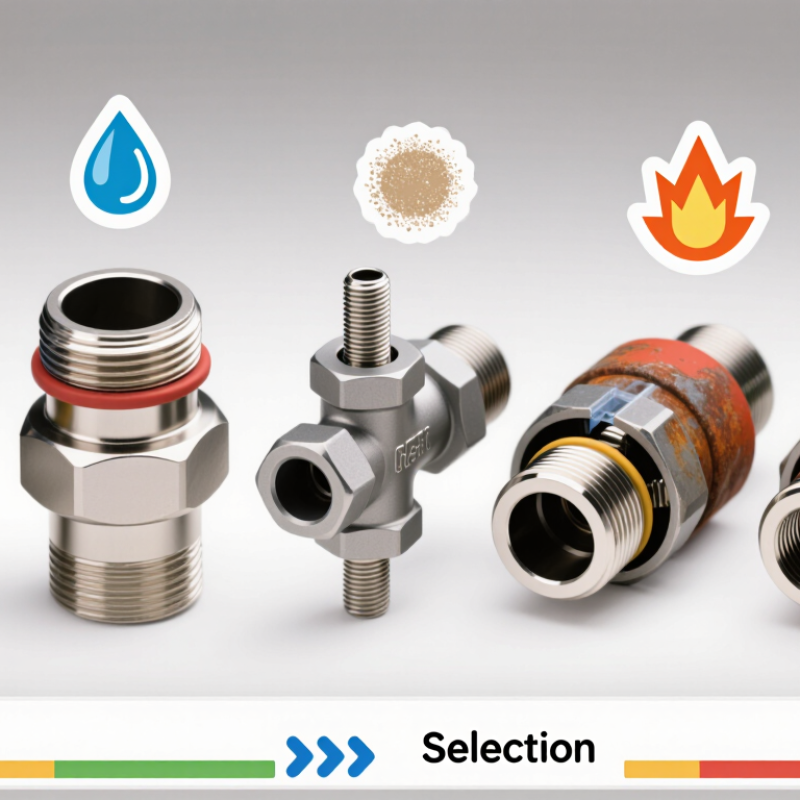
Compare Connector Types by Trade Size, Location, and UL 514B Listing
EMT waterproof connectors should be selected by trade size, exposure, and listing—not by appearance alone. Match the connector’s trade size to the EMT; trade size is nominal, not a direct measurement of outside diameter. Common sizes include 1/2 inch and 3/4 inch, but available ranges vary by fitting. A loose fit can compromise the connection. A small detail, but easy to miss.
For damp or outdoor locations, use a connector specifically marked for the intended wet or rain-tight application. Compression-style fittings commonly use a sealing ring to help resist water entry. Set-screw connectors are generally used in dry locations unless their markings state otherwise. An insulated throat can protect conductors from sharp edges, but it does not make a fitting waterproof. Check the product instructions and the installation conditions.
Look for a UL 514B listing and verify that it applies to the connector type and use. The marking should correspond to the fitting, not just its packaging or a similar-looking model. Also check the EMT size, enclosure entry, and exposure before installation. I would not assume that “raintight” means suitable for every wet location; confirm the specific rating and applicable project requirements. Even a listed connector needs careful installation.
Top EMT Connector Types: Location Suitability
Compare common EMT connector styles by typical application. A value of 1 indicates a typical choice when the specific fitting is marked for that use; 0 means it is not typically selected. Concrete-tight suitability depends on the individual fitting.
Trade sizes: EMT is commonly specified in trade sizes from 1/2 in. through 4 in.; available connector sizes vary by product. “Raintight” does not mean submersible or waterproof. UL 514B covers conduit, tubing, and cable fittings, including EMT fittings—check the fitting’s listing and markings for its specific size and location rating.
We may request cookies to be set on your device. We use cookies to let us know when you visit our websites, how you interact with us, to enrich your user experience, and to customize your relationship with our website.
Click on the different category headings to find out more. You can also change some of your preferences. Note that blocking some types of cookies may impact your experience on our websites and the services we are able to offer.
Essential Website Cookies
These cookies are strictly necessary to provide you with services available through our website and to use some of its features.
Because these cookies are strictly necessary to deliver the website, refusing them will have impact how our site functions. You always can block or delete cookies by changing your browser settings and force blocking all cookies on this website. But this will always prompt you to accept/refuse cookies when revisiting our site.
We fully respect if you want to refuse cookies but to avoid asking you again and again kindly allow us to store a cookie for that. You are free to opt out any time or opt in for other cookies to get a better experience. If you refuse cookies we will remove all set cookies in our domain.
We provide you with a list of stored cookies on your computer in our domain so you can check what we stored. Due to security reasons we are not able to show or modify cookies from other domains. You can check these in your browser security settings.
Other external services
We also use different external services like Google Webfonts, Google Maps, and external Video providers. Since these providers may collect personal data like your IP address we allow you to block them here. Please be aware that this might heavily reduce the functionality and appearance of our site. Changes will take effect once you reload the page.
Google Webfont Settings:
Google Map Settings:
Google reCaptcha Settings:
Vimeo and Youtube video embeds:
Privacy Policy
You can read about our cookies and privacy settings in detail on our Privacy Policy Page.



 © Copyright 2020 Tianjin Tanghaidongyang Valve Co., Ltd. All Rights Reserved.