The Main Components of a Turbo Cooling System
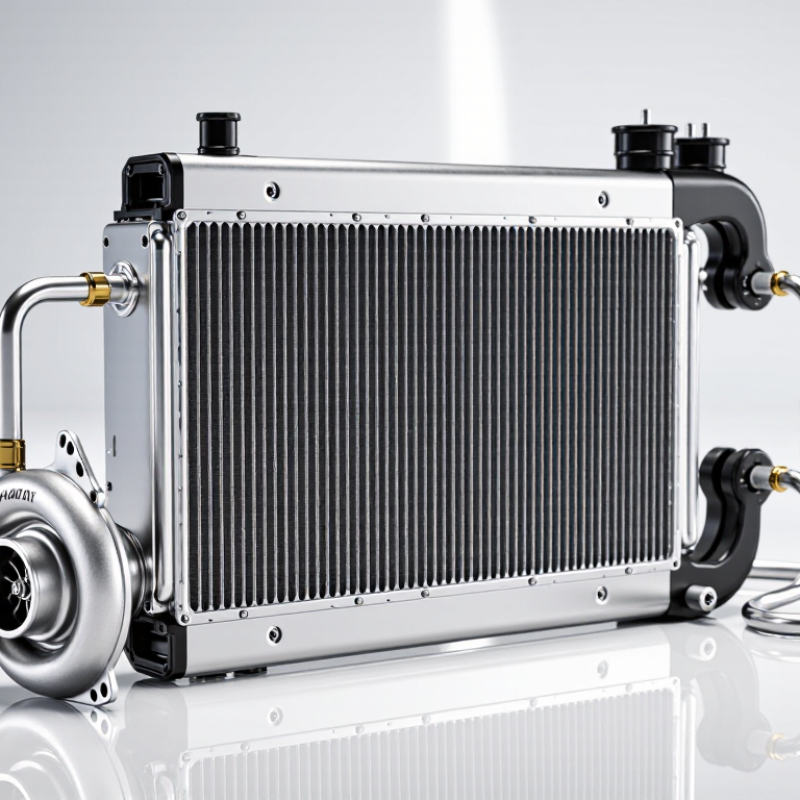
A turbo cooling system manages two kinds of heat: hot exhaust around the turbocharger and compressed air headed toward the engine. Its intercooler, also called a charge-air cooler, removes heat from compressed intake air. Cooler, denser air helps the engine receive more oxygen. Some intercoolers use outside airflow; others circulate coolant through a separate heat exchanger. They are not the same part as the engine radiator.
The engine radiator, coolant pump, thermostat, fan, and connecting hoses manage coolant flow and temperature. Many turbochargers also have coolant passages around the center housing, helping control heat after shutdown. An oil cooler may support temperature control, but it does not replace coolant cooling.
Small parts matter. A kinked hose or clogged cooler can restrict flow, while a loose connection may leave traces of dried coolant.
The U.S. EPA’s 2016 Draft Technical Assessment Report discusses turbocharging with engine downsizing as an efficiency technology, with estimated benefits varying by engine design and calibration. That estimate is not a promise for every vehicle. Cooling layouts differ, and diagnosis can be less straightforward than the diagram suggests.



 © Copyright 2020 Tianjin Tanghaidongyang Valve Co., Ltd. All Rights Reserved.