What is Valve Lockout Chain and How Does it Work?
In the world of industrial safety, the Valve Lockout Chain stands out as an essential tool for preventing accidental valve operations. Expert John Smith, a safety consultant with over two decades of experience, emphasizes, “The effectiveness of a Valve Lockout Chain lies in its simplicity and reliability.” This statement highlights the importance of straightforward safety measures in high-risk environments.
Valve Lockout Chains are critical in facilities where hazardous substances flow through pipes. These chains act as a physical barrier, ensuring that valves remain securely closed during maintenance or repairs. By integrating Valve Lockout Chains into safety protocols, companies can mitigate risks associated with unintended valve activations.
However, the implementation of Valve Lockout Chains is not without challenges. Some employees may forget to engage them during shutdown procedures. Training and reminders are vital to solidify the practice. Ultimately, fostering a culture of safety requires continuous effort and attention. The role of tools like the Valve Lockout Chain is pivotal, but human factors must also be addressed for optimal safety outcomes.
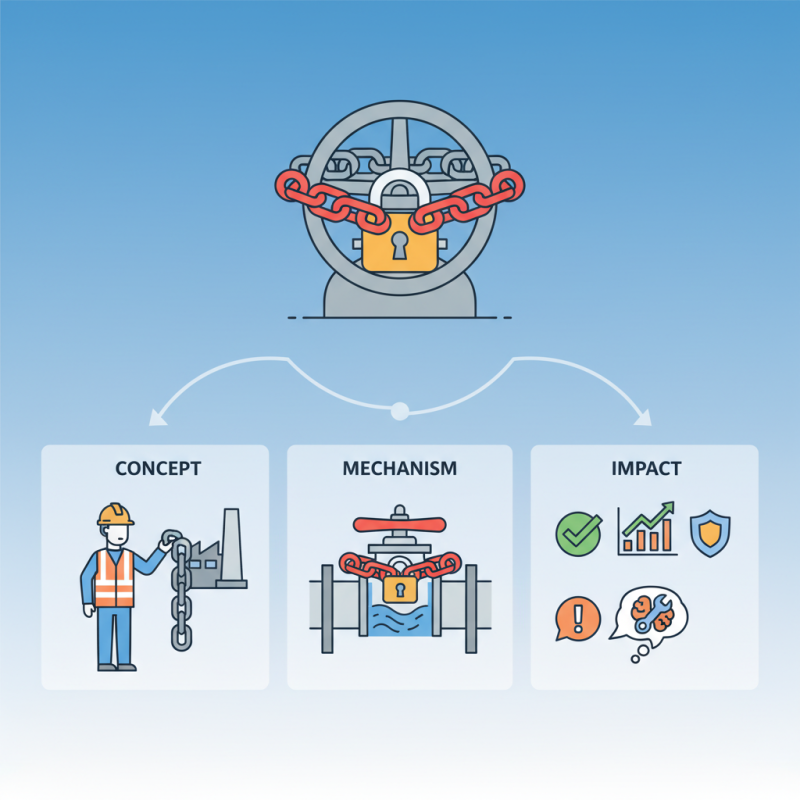
What is a Valve Lockout Chain?
A Valve Lockout Chain is a critical safety tool in industrial settings. It's designed to secure valves during maintenance, preventing accidental operation that could lead to hazardous incidents. Reports indicate that improper valve management contributes to approximately 15% of workplace accidents. This highlights the necessity of implementing robust lockout/tagout (LOTO) procedures.
The use of a Valve Lockout Chain is quite straightforward. It consists of a durable chain and lock system. When a maintenance team needs to work on a valve, they loop the chain around it. They then affix a lock to ensure no one can operate the valve until the work is complete. According to the Occupational Safety and Health Administration (OSHA), adherence to LOTO procedures can reduce the risk of workplace injuries and deaths significantly.
Despite its simplicity, some challenges exist. Not all personnel may consistently use the lockout chain. Training gaps can lead to oversight. Also, the visibility of the lockout system plays a role in its effectiveness. If employees overlook the chain, the potential for accidents remains high. Continuous reinforcement of safety protocols is essential for maximizing the impact of the Valve Lockout Chain. This reflects the importance of ongoing education and practical drills in fostering a culture of safety.
Key Features of Valve Lockout Chains
Valve lockout chains play a critical role in ensuring workplace safety. These chains provide a physical barrier around valves to prevent accidental operation during maintenance. According to the Occupational Safety and Health Administration (OSHA), proper lockout/tagout procedures can reduce workplace injuries by up to 30%. Such measures underscore the importance of using effective lockout solutions.
Key features of valve lockout chains include their robust construction and flexibility. Often composed of sturdy materials, they are designed to withstand harsh environments. Sizes vary, allowing easy accommodation of different valve types. The chains can be easily adjusted, providing versatility for various applications. Additionally, color-coded options help enhance visibility, which can further reduce risks.
Despite their effectiveness, challenges remain. Some workers may overlook the installation of lockout chains, leading to potential accidents. Regular training and awareness campaigns are essential to address this issue. Data suggests that approximately 10% of lockout/tagout violations stem from a lack of awareness. Continued education on the importance of compliance can help bridge this gap.
Advantages of Using Valve Lockout Chains
Valve lockout chains provide a critical safety measure in various industrial settings. The use of these chains mitigates the risks associated with accidental valve activation during maintenance. A recent report by the National Safety Council highlights that improper valve handling accounts for over 20% of workplace accidents involving hazardous energy releases. This statistic underscores the importance of implementing effective lockout/tagout (LOTO) procedures, including the use of valve lockout chains.
The advantages of valve lockout chains extend beyond safety. They also promote compliance with regulatory standards. Research shows that facilities implementing stringent lockout practices can reduce incidents by up to 65%. This not only protects workers but also leads to significant cost savings. Implementing lockout procedures reduces downtime and prevents equipment damage. Furthermore, the visual assurance provided by lockout chains can enhance awareness among employees about potential hazards.
While the introduction of valve lockout chains can create a safer environment, challenges remain. Some employees may forget to engage these devices, leading to lapses in safety protocols. Continuous training and reinforcement are essential to ensure proper usage. According to industry surveys, nearly 30% of workers are unaware of the specific procedures for valve lockout. Ongoing education is necessary to address these gaps, fortifying the overall effectiveness of valve lockout chains in safeguarding workers.
How to Properly Use a Valve Lockout Chain
Using a valve lockout chain is essential for safe industrial operations. These chains provide a secure method to prevent accidental valve operation during maintenance or repair. Proper use of these chains can significantly reduce the risk of workplace accidents. But it's crucial to understand how to implement them correctly.
To effectively use a valve lockout chain, start by identifying the valves that require locking. Ensure the area around the valve is clear. Once identified, wrap the lockout chain securely around the valve handle. This will prevent unauthorized access. After securing the chain, use a padlock to ensure it remains in place. Each employee should have a unique key to enhance safety. It's vital to inspect the setup regularly. Chains can wear down over time, and a worn chain may not provide the necessary security.
Remember, not all situations are straightforward. Sometimes, the chain might not fit certain valves or it may get stuck. In these cases, having backup safety measures is wise. Training employees on proper usage is also essential. Encourage feedback for improvements. Continuous learning helps identify flaws in current practices. Regular discussions can lead to better methods. Using a valve lockout chain is simple, but its effectiveness relies on proper implementation and ongoing evaluation.
Safety Considerations When Implementing Valve Lockout Chains
When implementing valve lockout chains, safety is paramount. These chains prevent accidental valve operation during maintenance. However, proper usage and training are essential. Inadequate training may lead to human error, compromising safety. Workers must be familiar with the chain's installation and removal processes.
Regular inspections of lockout chains should be part of the safety protocol. Check for wear and tear. A frayed chain may not function properly. This could pose severe risks. Encourage workers to report any issues immediately. They should feel comfortable addressing concerns without fear of repercussions. Fostering an open dialogue about safety can improve workplace culture.
Consider the environment where these chains are used. Factors like exposure to harsh chemicals can affect their performance. Ensure that the chains used are suitable for specific conditions. Sometimes, organizations overlook this aspect. A failure to assess environment-specific risks can lead to dangerous situations. Regular training updates are crucial. New team members should receive instruction to keep them safe.



 © Copyright 2020 Tianjin Tanghaidongyang Valve Co., Ltd. All Rights Reserved.