| Delayed engagement when selecting Drive or Reverse | A restricted filter may reduce fluid flow and contribute to low hydraulic pressure, delaying clutch engagement. | Low fluid level, incorrect fluid, internal wear, or a hydraulic control fault. | Check for leaks and have the fluid level and condition checked using the vehicle maker’s procedure. | Prompt inspection |
| Slipping, flare, or unexpected changes in engine speed during shifts | Restricted fluid flow can affect hydraulic pressure, although a filter issue is only one possible explanation. | Low fluid, worn clutch components, solenoid problems, or other transmission faults. | Arrange a transmission diagnosis soon; avoid heavy loads and continued driving if slipping is severe. | High |
| Harsh or inconsistent shifting | A damaged or obstructed filter may interfere with fluid supply and shift operation. | Old or incorrect fluid, sensor or control-system issues, or mechanical wear. | Have the fluid, diagnostic codes, and transmission operation checked before replacing parts. | Prompt inspection |
| Whining or unusual transmission noise | In some designs, restricted fluid flow can contribute to pump noise or inadequate lubrication. | Low fluid, a worn pump, bearing wear, or other internal problems. | Check for leaks and seek diagnosis, especially if the noise changes with vehicle speed or gear selection. | Prompt inspection |
| Transmission temperature warning or overheating | A flow restriction may contribute to excess heat, but a filter alone cannot be assumed to be the cause. | Heavy towing, low fluid, a cooling-system problem, or internal transmission trouble. | Stop safely and follow the vehicle manual’s warning guidance. Do not continue driving if the warning persists. | Urgent |
| Unusual fluid condition or debris found during service | A clogged filter may contain accumulated particles; a damaged filter or seal may fail to keep debris out of the fluid circuit. | Normal wear, internal component damage, or fluid that has deteriorated from heat or age. | Have the debris and fluid condition assessed. Follow the specified service procedure; avoid a flush unless it is appropriate for the vehicle. | Prompt inspection |
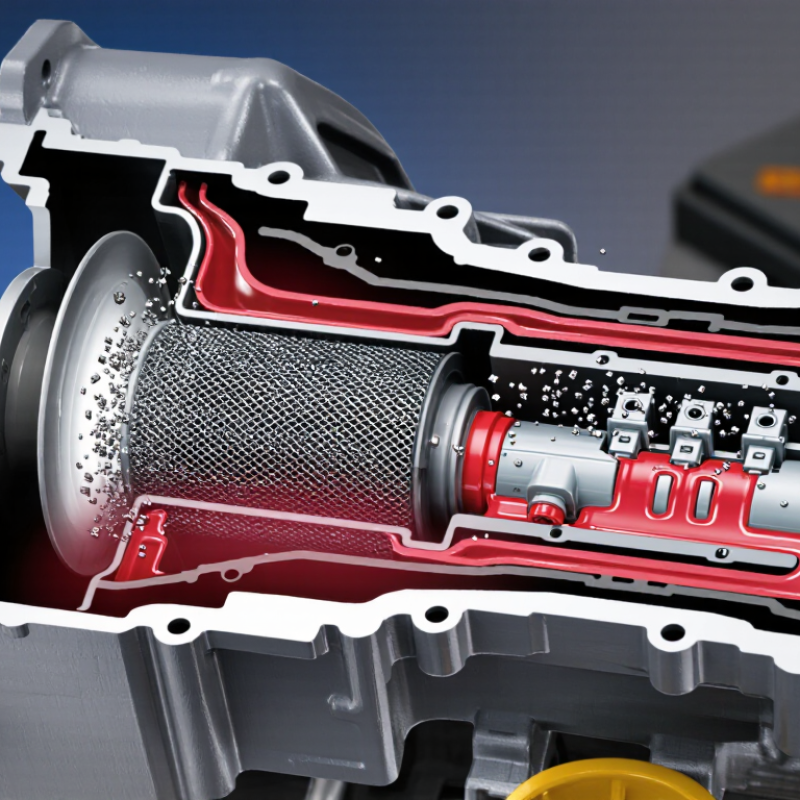
| No clear symptoms, but service is due | The filter helps trap contaminants and maintain fluid flow; its service needs depend on the transmission design. | Service intervals vary by vehicle, operating conditions, and filter accessibility. | Consult the owner’s manual or a qualified technician for the correct fluid, filter, and maintenance interval. | Routine maintenance |



 © Copyright 2020 Tianjin Tanghaidongyang Valve Co., Ltd. All Rights Reserved.