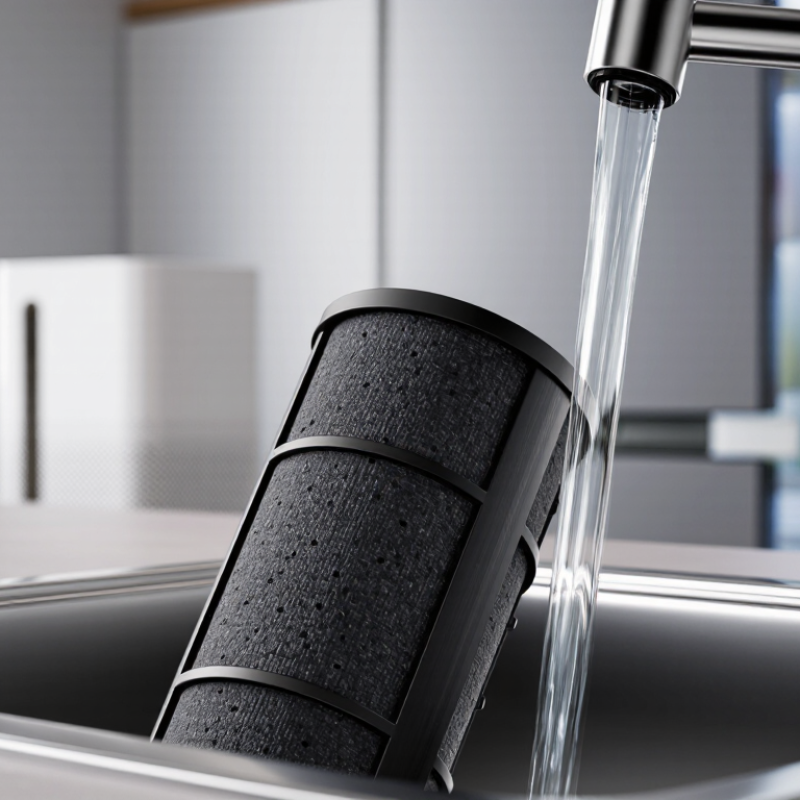
Buyers should start by identifying what the filter needs to treat: drinking water, indoor air, or another application. Activated carbon can reduce certain compounds, but performance depends on the carbon, filter design, and contact time. For water, it often improves chlorine taste and odor. It does not automatically remove microbes, metals, or every dissolved contaminant. Check the exact reduction claims, not just the words “carbon filter.”
Fit matters. Buyers should compare the filter’s rated flow with daily demand; a fast flow can mean less contact time. Check capacity and replacement intervals, too. A small cartridge may need frequent changes in a busy household. Look for independent testing that covers the specific contaminant and intended use. A broad certification claim may not confirm every reduction a buyer cares about. Check the label.
Installation and upkeep are practical concerns, not fine print. Measure the available space, confirm compatible connections, and consider how easy the cartridge is to replace. Some filters perform poorly when neglected, and exhausted carbon may no longer reduce the target compounds effectively. That detail is easy to overlook, even for careful buyers. I would also question any claim that sounds universal: source water and indoor conditions vary, so one filter is rarely the right answer for every setting.



 © Copyright 2020 Tianjin Tanghaidongyang Valve Co., Ltd. All Rights Reserved.