Certificates

Certificates

Why Is My Back Brake Caliper Sticking?

A sticking Back Brake Caliper can turn a simple brake problem into a serious safety concern. You may notice one rear wheel feeling unusually hot after a short drive. The vehicle might pull slightly, smell like overheated metal, or lose speed without pressing the pedal. Sometimes, the symptoms appear only after rain or overnight parking. That makes diagnosis harder.

The cause is not always the caliper itself. Rust can form around the piston, slider pins may lose lubrication, and damaged rubber boots can let water inside. A restricted brake hose may also hold hydraulic pressure against the piston. In workshop inspections, uneven pad wear often provides the clearest clue. One pad may look nearly new, while the other is worn thin. Small details matter.

A qualified technician should compare both rear brakes, inspect the rotor, and measure wheel temperature carefully. Never touch a suspected hot brake with bare hands. A sticking caliper can damage pads, warp a rotor, and reduce braking control. It may also increase fuel consumption because the vehicle is fighting constant resistance. Not every dragging brake requires a replacement caliper, though. Cleaning, rebuilding, or replacing related hardware may solve the problem. The correct repair depends on testing, not guessing. Even experienced mechanics can misread the symptoms. That is worth remembering. This guide explains the likely causes, practical checks, and repair decisions behind a sticking rear caliper.

Why Is My Back Brake Caliper Sticking?

What a Sticking Rear Brake Caliper Means

Why Is My Back Brake Caliper Sticking?

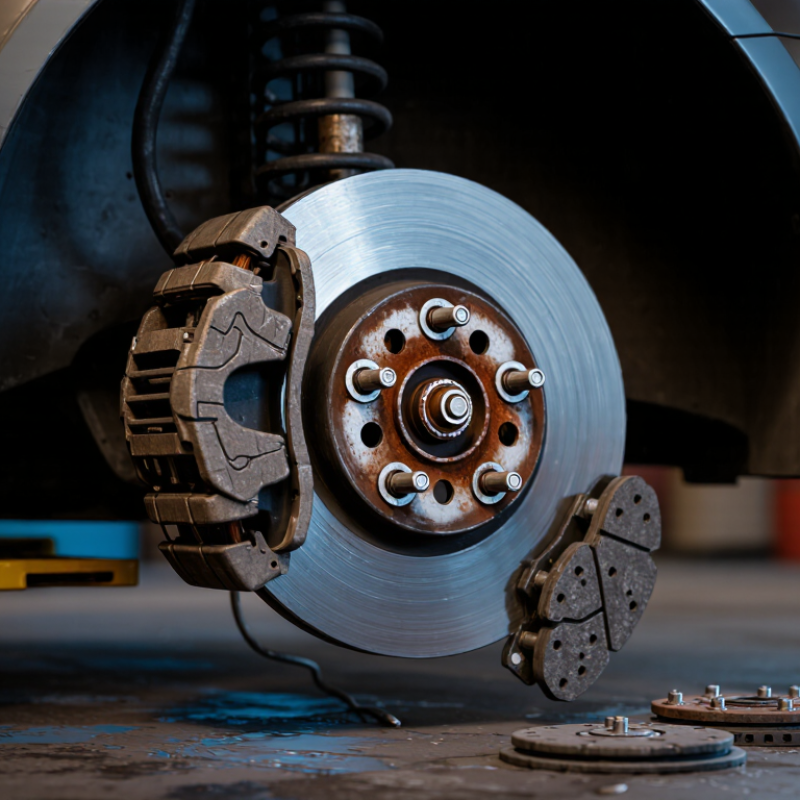
A sticking rear brake caliper means the brake is not releasing fully after you lift the pedal. The piston may remain extended against the rotor. Seized guide pins can create the same problem. A damaged rubber hose may also hold pressure inside the caliper. The result is constant friction, even when you are not braking.

You might notice a hot wheel, burning odor, reduced fuel economy, or uneven pad wear. In severe cases, the vehicle may pull slightly or feel sluggish. During inspections, I check rotor temperature carefully because one wheel can become dangerously hot. I once underestimated a mild scraping sound. The pad was almost gone.

Tips: After a short drive, compare the rear wheels without touching the rotors. Use an infrared thermometer if available. Look for blue rotor marks, cracked dust boots, or pads worn at different angles. Do not ignore a wheel that smells unusually hot. Have a qualified technician test the caliper, guide pins, brake hose, and parking brake mechanism.

A sticking caliper can also damage a new brake pad quickly. Replacing only the pad may hide the real fault. The repair may require cleaning and lubricating suitable sliding parts, rebuilding the caliper, or replacing damaged components.

Brake systems need correct tools and careful bleeding. If the vehicle brakes unevenly, smokes, or develops a soft pedal, stop driving and arrange professional inspection. Safety should not depend on a guess.

Common Causes of Rear Brake Caliper Sticking

A rear brake caliper can stick when its moving parts no longer release the brake pad properly. Corrosion around the piston is a common cause, especially after winter driving or long periods of parking. Moisture can enter damaged dust boots and create rust inside the caliper bore.

The slide pins may also seize. They should move smoothly with firm hand pressure, not feel gritty or completely frozen. Old, hardened grease often causes this problem. A damaged rubber boot allows water and road debris to enter. The brake pads can bind in rusty carrier brackets, leaving one pad pressed against the rotor.

The brake hose can fail internally. Its outer surface may look normal, while a damaged inner layer traps pressure after braking. The wheel then stays hot. A sticking parking-brake lever or cable can create similar symptoms on rear brakes. On some systems, the caliper’s parking-brake mechanism may seize as well.

A careful check helps separate these causes. Compare rear wheel temperatures after a short drive, but avoid touching the rotor directly. Uneven pad wear is a useful clue. One thin pad often points toward restricted movement. I have found that visual checks alone can be misleading. A caliper may look clean but still hold pressure internally. If the wheel drags, the rotor turns blue, or burning smells appear, stop driving and arrange a professional brake inspection.

Symptoms That Reveal a Sticking Brake Caliper

Why Is My Back Brake Caliper Sticking?

A sticking rear brake caliper often announces itself through heat, drag, or uneven stopping. After a short drive, carefully compare both rear wheels without touching the metal. One wheel may radiate unusual heat, while a sharp metallic smell suggests an overheated pad or rotor. The vehicle can also pull sideways, feel reluctant to roll, or show reduced fuel economy. Watch for one pad wearing much thinner than its opposite pad. That pattern usually points toward a seized piston, corroded slide pin, or restricted flexible brake hose.

The United Kingdom Driver and Vehicle Standards Agency’s 2023–24 MOT data places brake-related defects at roughly one-sixth of major defects. That figure covers many brake faults, not calipers alone. The distinction matters. The National Highway Traffic Safety Administration’s 2022 Traffic Safety Facts recorded 42,514 road deaths, but it does not separately measure sticking-caliper incidents. Public crash data therefore cannot prove that every hot wheel caused a dangerous failure. I would not rely on one symptom alone. A cool wheel does not completely clear the caliper. Sometimes the drag appears only after repeated braking, when trapped pressure or heat expands the problem. A technician should measure wheel temperature, inspect pad movement, check slide pins, and compare hydraulic pressure. Do not keep driving when smoke, severe pulling, or a burning odor appears. Noise can mislead. So can a recently replaced pad.

How to Diagnose the Problem Step by Step

When a rear brake caliper sticks, the wheel may feel hot, smell sharp, or resist movement. Do not assume the caliper is guilty immediately. NHTSA’s Traffic Safety Facts identifies brake-related equipment problems as a recurring vehicle factor, but inspection must confirm the cause.

Start with a short drive and light braking. Park safely, then compare both rear wheels without touching the rotors. A non-contact infrared thermometer can reveal a large temperature difference; one wheel above 80°C while the other remains near ambient temperature deserves attention. The reading is useful, not absolute. Sunlight, road slope, and recent braking can mislead.

Raise the vehicle on approved stands, not a jack alone. With the transmission secured, spin the suspected wheel by hand. Slight pad drag is normal. Heavy resistance suggests a seized piston, corroded slide pin, or collapsed flexible hose. Remove the pads and check whether their edges move freely in the bracket. Inspect the piston boot for tears, then open the bleeder briefly. If pressure releases and the wheel spins, the hose may be trapping fluid. If it stays tight, the piston or hardware remains suspect.

DVSA MOT testing reports repeatedly list brake-system defects among common failure categories. That supports careful inspection, not guesswork. I have seen clean-looking calipers hide rust under the boot. A second check often changes the diagnosis.

Why Is My Back Brake Caliper Sticking?

How to diagnose the problem step by step. A sticking caliper can create continuous friction, excessive rotor heat, uneven pad wear, and brake fade.

The chart compares the minimum dry and wet boiling points specified for common DOT brake-fluid classifications. If a rear wheel is unusually hot after normal driving, inspect the caliper piston, slide pins, pads, hose, and parking-brake mechanism. Do not touch the rotor or caliper immediately after driving; allow the brake assembly to cool before inspection.

Step-by-Step Diagnostic Checks

  1. Compare the temperature of both rear wheels after the same drive without touching the brake components.
  2. Check whether the brake pad wear is uneven between the inner and outer pads.
  3. Remove the caliper and verify that the slide pins move smoothly and are correctly lubricated.
  4. Inspect the piston boot for damage, corrosion, or signs of binding.
  5. Check the parking-brake lever or actuator for full return after release.
  6. If the brake remains applied after the bleeder is opened, suspect a mechanical caliper or parking-brake fault; if pressure releases, inspect the flexible brake hose or hydraulic circuit.

Repair Options and Ways to Prevent Recurrence

Why Is My Back Brake Caliper Sticking?

Repair Options and Ways to Prevent Recurrence

A sticking rear brake caliper often leaves one wheel unusually hot after a short drive. You may notice a sharp smell, uneven pad wear, or the vehicle pulling slightly. I have found that the cause is not always the caliper piston. Seized guide pins, a damaged rubber boot, or a restricted brake hose can create similar symptoms. Check carefully.

A technician should compare pad thickness, rotor temperature, and piston movement. The guide pins may need cleaning and fresh high-temperature brake lubricant. If the piston moves smoothly, replacing worn seals and dust boots may restore reliable operation. Severe corrosion usually calls for caliper replacement instead of a temporary rebuild. The flexible hose should also be tested, because internal damage can hold pressure after the pedal is released. Brake fluid may need replacement if it is dirty or moisture-contaminated.

Prevention depends on small details. Inspect the caliper during every brake service, especially around the piston boot and guide pins. Keep the sliding surfaces clean. Use lubricant designed for brake components, not general-purpose oil. Petroleum products can damage rubber parts. Confirm that the parking brake mechanism fully releases, including its cable or electronic actuator. Correct wheel torque also matters; uneven tightening can complicate future repairs. I once ignored a slightly torn boot because braking still felt normal. That decision allowed rust to spread. Early inspection is cheaper, safer, and less stressful. Test the repaired brake on a quiet road, checking for heat, noise, and smooth release.