| 1 |
Define the service conditions |
Specify nominal size, pressure rating, operating temperature, medium, flow direction, operating frequency, and required shutoff performance. Check chemical compatibility of the body, disc, stem, and seat with the process medium. |
A complete datasheet and material descriptions. State the applicable design and test requirements in the purchase specification. |
Are the stated pressure and temperature limits applicable to the selected body and seat materials? Is the valve intended for isolation, throttling, or both? |
| 2 |
Check piping and dimensional compatibility |
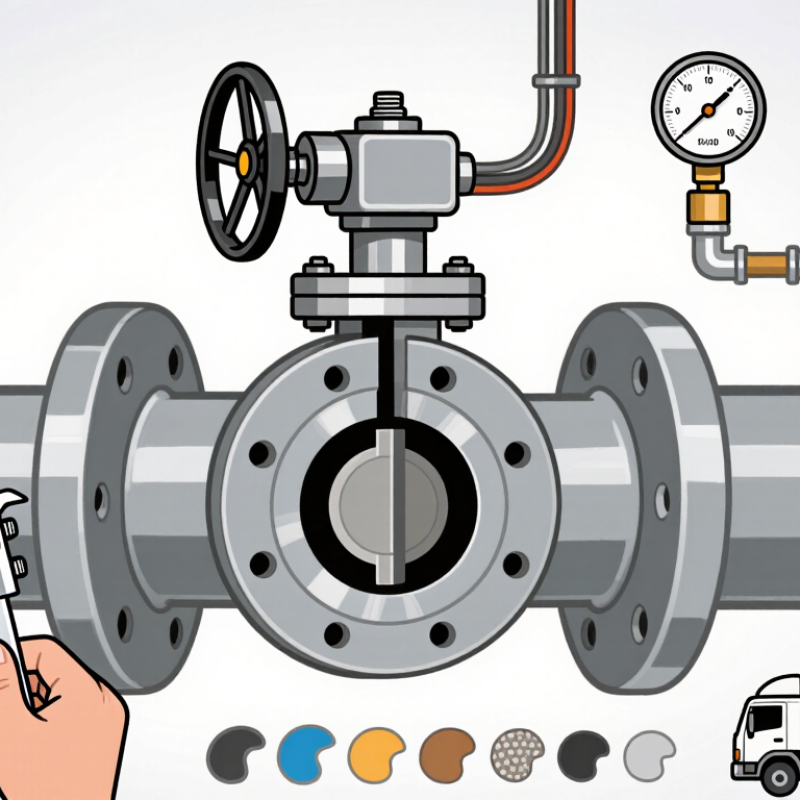
Confirm wafer-style installation, nominal size, flange drilling, face-to-face dimensions, pressure class, and available installation clearance. Verify that the valve fits the mating flanges and does not obstruct the pipe bore. |
Dimensioned drawings and the relevant project requirements. ISO 5752 covers face-to-face dimensions for metal valves used in flanged piping systems; confirm the specified series and applicable edition. |
Which flange standards and face-to-face dimensions does the offered valve match? Are alignment holes, lug features, or other installation details required? |
| 3 |
Evaluate manufacturing capability |
Review whether the production process can control casting or fabrication, machining, assembly, and traceability for the ordered size range and materials. Assess production capacity against the requested schedule. |
Process-flow information, inspection procedures, equipment and capacity records, and sample production records. Verify that the proposed production site and scope match the order. |
Which operations are performed in-house or subcontracted? How are material lots and finished valves traced to inspection records? |
| 4 |
Specify inspection and pressure testing |
Agree on the test standard, test medium, test pressure, duration, acceptance criteria, sampling or inspection scope, and whether testing is required for every valve or by an agreed sampling plan. |
Applicable requirements may include API 598 or ISO 5208. Confirm the exact standard, edition, valve type, and acceptance criteria in the contract; do not assume the standards are interchangeable. |
Will test certificates identify the valve, size, pressure rating, test results, and inspection date? Can the buyer or an appointed inspector witness testing? |
| 5 |
Review materials and quality records |
Match material grades and seat construction to the service conditions. Define marking, heat or lot traceability, required inspection records, and any independent inspection or non-destructive examination requirements. |
Material certificates and inspection documentation. EN 10204 describes types of inspection documents, including type 3.1; state the required document type and covered materials in the purchase order. |
Which components are covered by material certificates? Are certificates traceable to the supplied valve, and are deviations reported for approval? |
| 6 |
Confirm actuation and installation needs |
Choose lever, gear operator, or actuator based on operating torque, duty cycle, control requirements, available power, and installation orientation. Check the mounting interface and required accessories. |
Torque data for the stated operating conditions, actuator sizing calculations, wiring or control details where applicable, and mounting drawings. ISO 5211 specifies part-turn actuator attachment dimensions. |
Is the actuator sized for the actual differential pressure and seat configuration? Are mounting dimensions, fail position, and accessories included in the quotation? |
| 7 |
Plan export packing and delivery |
Agree on packaging suitable for the transport mode and storage period, corrosion protection, labeling, packing list, delivery schedule, named delivery place, and allocation of transport responsibilities. |
Packaging and marking instructions, shipment documents, agreed inspection release, and a clearly stated Incoterms® 2020 rule with the named place. Import duties, product requirements, and tariff classification should be checked for the destination market. |
How are valve faces and sealing surfaces protected? What documents are supplied for clearance, and who arranges freight, insurance, and export or import formalities under the agreed delivery term? |




 © Copyright 2020 Tianjin Tanghaidongyang Valve Co., Ltd. All Rights Reserved.