Why Choose a Wafer Butterfly Valve for Industrial Piping?
Why Choose a Wafer Butterfly Valve for Industrial Piping?
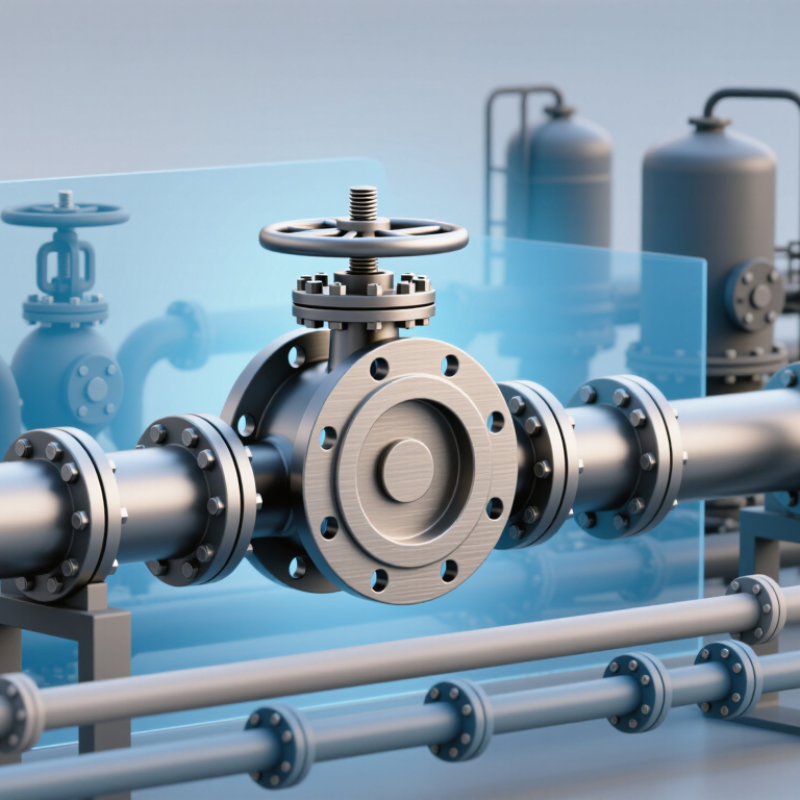
Industrial piping rarely rewards unnecessary weight, space, or complexity. A wafer butterfly valve offers a compact solution for controlling water, air, chemicals, and compatible process fluids. Its thin body fits between pipeline flanges, often reducing installation space around pumps, tanks, and filtration units. That matters when technicians work in narrow corridors or crowded plant rooms.
Valve engineer Richard W. Greene has said, “Good valve selection begins with the service, not the catalogue.” This principle remains practical. A wafer butterfly valve can provide quick quarter-turn operation, moderate pressure loss, and lower material use than many traditional valve designs. Its disc rotates inside the flow path, while the resilient seat supports shutoff when correctly matched to temperature and media conditions.
Small footprint. Clear benefits.
The choice is not automatically perfect. The disc may restrict flow slightly, and some aggressive chemicals can damage the seat. High-pressure applications may also require a different valve pattern or a more robust sealing arrangement. These limitations deserve attention before purchase, not after leakage appears beside a hot pipeline.
Experienced engineers check pressure class, operating temperature, fluid compatibility, flange standards, actuator requirements, and maintenance access. They also inspect alignment during installation, because a poorly centered disc can scrape the seat and shorten service life. In real plants, reliability depends on details. A well-selected wafer butterfly valve can deliver efficient isolation and control, but only when its design matches the actual piping system.
What Is a Wafer Butterfly Valve?
A wafer butterfly valve is a compact shutoff or flow-control device installed between two pipe flanges. Its circular disc rotates around a central or offset shaft. A quarter-turn movement changes the passage from fully open to closed. Unlike a flanged butterfly valve, the wafer body usually has no separate end flanges. Bolts pass through the surrounding pipe flanges and clamp the valve in position.
In industrial piping, installers often choose this design where space and weight matter. A 150-millimeter wafer valve can be noticeably lighter than many comparable gate valves. This helps during overhead installation and routine replacement. The disc, shaft, and resilient seat must match the fluid, temperature, and pressure. For example, abrasive slurry can damage a soft seat quickly. Hot service may require a different sealing arrangement. Check the technical data carefully.
Alignment matters more than it appears. A poorly centered valve may cause disc contact, uneven sealing, or difficult operation. I have seen small flange offsets create large maintenance problems. The valve also creates some pressure loss because the disc remains inside the flow path. It is not a universal shortcut. Some wafer designs are unsuitable for dead-end service unless specifically rated. Operators should verify shutoff performance, actuator torque, and inspection access before installation. That extra check can prevent a leaking joint and an unnecessary shutdown.
How Does a Wafer Butterfly Valve Work?
A wafer butterfly valve controls flow with a rotating disc mounted inside the pipe. The disc connects to a stem, which turns through about 90 degrees. When the disc aligns with the pipeline, fluid passes with limited resistance. When it turns across the passage, the valve blocks flow.
Its compact body fits between two pipe flanges, using bolts to hold the assembly in position. A resilient seat presses around the disc edge and helps create a tight shutoff. In field installations, correct flange alignment matters greatly. Even a small offset can increase friction, damage the seat, or make operation uneven. Keep the disc slightly open during installation to prevent impact against the pipe.
Operation may be manual, geared, pneumatic, or electric. Operators should confirm the flow direction, pressure rating, temperature range, and valve material before selection. A handle that feels stiff is not always a maintenance issue; debris, excessive seat compression, or pipe stress may be involved. That detail is easy to overlook.
Regular inspections should check stem movement, flange bolts, seat wear, and external leakage. Wafer designs save space and weight, but they are not universal replacements for every valve type. Their performance depends on thoughtful sizing and proper installation. Small errors become expensive later.
Key Design Features of Wafer Butterfly Valves
Wafer butterfly valves use a slim body, a rotating disc, and a compact stem assembly. This layout reduces face-to-face length and installation weight. According to the 2024 Industrial Valves Market report by MarketsandMarkets, demand is growing at more than 5% annually through 2029. Compact designs help contractors manage crowded pipe racks and reduce structural support requirements.
The disc turns within the pipe, usually through 90 degrees. This creates fast isolation with relatively low operating effort. A resilient liner, such as EPDM or PTFE, supports tight shutoff in water, chemical, and utility services. Metal-seated versions handle higher temperatures and harsher duty. API 609 and EN 593 provide recognized design and testing frameworks, while ISO 5211 supports actuator mounting dimensions. Small details matter. Stem alignment, shaft sealing, and disc clearance can decide service life.
Wafer bodies fit between pipe flanges, but they do not replace proper flange control. Misalignment can scrape the liner and increase torque. The 2024 Global Water Intelligence market report highlights continuing investment in water-treatment infrastructure, where compact isolation equipment remains valuable. Yet a wafer valve is not automatically suitable for every end-of-line position. Pressure rating, backflow risk, media compatibility, and maintenance access require checking. Field experience shows that rushed selection causes avoidable problems, especially when operators ignore temperature changes or suspended solids.
Why Use Wafer Butterfly Valves in Industrial Piping?
Wafer butterfly valves are widely used in industrial piping because they fit between two flanges without requiring much installation space. Their compact body helps in crowded pump rooms, where large valves can block access. A lighter design also reduces support loads on long pipe runs. In practical maintenance work, technicians can often remove the valve faster than a larger flanged valve. That matters when production downtime is expensive.
These valves provide efficient shutoff for water, air, chemicals, and other compatible fluids. The disc rotates through 90 degrees, allowing quick operation and relatively low torque. Manual handles suit smaller lines, while gear operators or actuators support larger diameters and automated systems. Their streamlined passage can reduce pressure loss when fully open. However, wafer butterfly valves are not automatically suitable for every service. Fluid temperature, pressure, corrosion risk, and seat material require careful review. A poor material choice can cause swelling, leakage, or early failure.
Installation details also affect reliability. Pipe flanges should be aligned, clean, and properly spaced before tightening the bolts. The disc needs clearance during its full movement. I have seen rushed installations damage seats before commissioning. That shortcut can fail. Regular checks should examine bolt tension, actuator response, and visible leakage. In some high-pressure or critical applications, another valve design may offer better sealing or maintenance access. Experienced selection should consider the complete piping system, not only the valve’s purchase price.




 © Copyright 2020 Tianjin Tanghaidongyang Valve Co., Ltd. All Rights Reserved.